
The TikTok Shop Affiliate Creator Programe: How to Sell Without Filming a Single Video
- 2026-08-02
-
 0
0
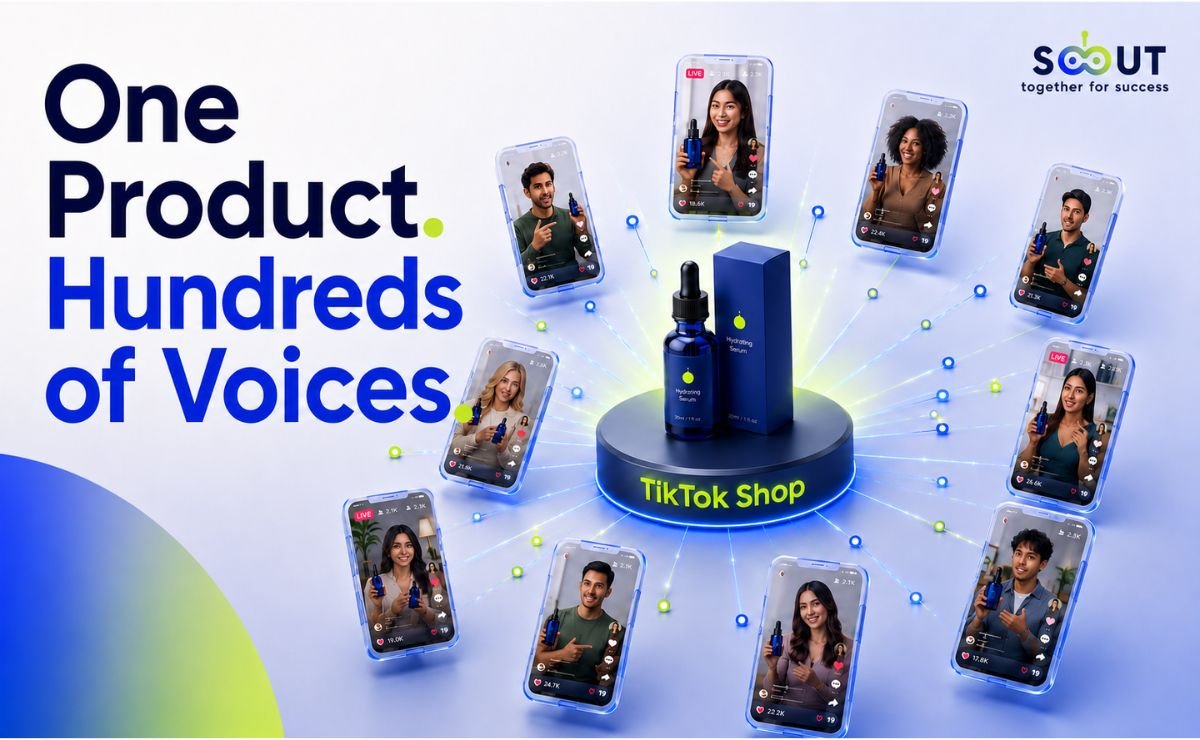
Most new sellers assume TikTok Shop rewards whoever posts the most. It doesn't,it rewards whoever gets the most creators posting on their behalf. That's the paradox at the center of the platform: content wins, but the content doesn't have to be yours. The TikTok Shop affiliate creator programe is TikTok's built-in system for connecting sellers with creators who promote products in exchange for a commission, and it's become one of the fastest ways to generate sales without holding a camera. Sellers who understand how to structure this correctly, commission strategy, creator vetting, and the mechanics of the two collaboration types, end up with dozens or hundreds of people creating content for them at once. Sellers who don't tend to either overpay for mediocre creators or attract none at all.
This guide walks through exactly how the programme works, how to set commissions that actually pull in quality creators, and how to build a system where TikTok Shop affiliate creator partnerships keep generating sales on their own. By the end, you'll know the difference between TikTok Shop's Open Collaboration and Target Collaboration models, what to pay, and how to avoid the mistakes that quietly drain margin. Let's start with what the programme actually is.
What Is the TikTok Shop Affiliate Creator Programe and How Does It Work?
The affiliate creator programe is a three-party system: sellers list products, creators promote them through short-form video, LIVE shopping, or profile showcases, and buyers purchase without ever leaving the app. When a sale happens through a creator's tracked link, the creator earns a commission and TikTok takes its own referral fee on top, currently a flat 6% on most US categories, with a discounted 1.8–3% rate for new sellers in their first 30–90 days, according to TikTok Shop's Seller Center fee policy.
Not every creator can promote every product from day one. According to TikTok's own Creator Eligibility Policy, creators need at least 1,000 followers to self-apply as an Affiliate Creator, but reaching the full Product Marketplace, where they can browse and promote any seller's catalog, requires 5,000 followers. Creators sitting between those two thresholds are placed into a Creator Pilot Program for roughly 30 days, during which they face daily posting caps until they graduate by hitting engagement or sales benchmarks.
That distinction matters for sellers because it explains a pattern you'll otherwise misread as low effort: a newly approved creator posting less isn't necessarily disengaged, they may simply be capped by TikTok's own pilot restrictions.
What the programe gives sellers:
-
No upfront cost, commissions are only paid when a sale completes
-
Access to a large, self-selecting network of creators actively looking for products to promote
-
Automated commission tracking and payout, settled roughly every two weeks
-
Per-creator performance data (GMV, orders, conversion rate) that most affiliate networks don't expose
Creators aren't limited to on-platform promotion either. TikTok's External Traffic Program lets approved creators share affiliate links off-app, on other social platforms, websites, or in-app browsers, extending reach beyond the For You page.
If you're still setting up your shop or haven't nailed down which products to lead with, it's worth backing up a step before layering an affiliate strategy on top of it. Our Complete Guide to Start, Find Winning Products & Scale Sales in 2026 walks through that foundation in full.
Should You Use Open Collaboration or Target Collaboration?
TikTok Shop runs affiliate relationships through two core collaboration types, officially named Open Collaboration and Target Collaboration, commonly shorthanded in seller circles as "Open Plan" and "Targeted Plan."
|
Open Collaboration |
Target Collaboration |
|
|
Who sees your products |
Any eligible creator in the marketplace |
Only the creators you invite |
|
Commission control |
One rate across your catalog |
Custom rate per creator |
|
Typical rate range* |
10–15% |
15–25%, up to 50% for proven top performers |
|
Best for |
Discovery, volume, testing new products |
Retaining and rewarding your best affiliates |
Rate ranges reflect commonly reported seller data across TikTok Shop affiliate programs rather than a fixed TikTok-published figure, treating them as a starting benchmark, not a rule.
Open Collaboration is your discovery engine. You set a rate, list your products in the marketplace, and any qualified creator can apply to promote them, no negotiation required. It's how you get dozens of creators testing a product before you know which ones convert. Target Collaboration flips that: you invite specific, already-proven creators and often pay them more, because you're not betting on volume anymore, you're paying for reliability.
TikTok's own creator partnerships team frames the decision around audience familiarity. As one TikTok representative put it in an interview featured in Superfiliate's creator-strategy field guide, launching a private targeted plan toward creators who've never heard of your brand tends to fall flat compared to reaching them through Open Collaboration first, the relationship needs to warm up before an invite-only offer lands well.
The winning approach for most sellers isn't choosing one, it's running both simultaneously. Keep Open Collaboration priced to attract steady volume, then graduate your best-performing creators from Open into Target Collaboration with a higher rate once they've proven they convert.
How Do You Set Commission Rates That Attract Quality Creators?
TikTok lets sellers set commission anywhere from 1% to 80% of the sale price; there's no platform-imposed rate like Amazon Associates' fixed 1–10% by category. That flexibility is an advantage, but it also means an under-priced offer will simply get ignored in a creator's marketplace feed.
What Are Typical Commission Rates by Product Category?
(Seller-reported ranges, not officially published by TikTok, treat these as a starting benchmark, not a fixed rule):
-
Beauty, skincare, and supplements: commissions tend to run highest, often 15–30%, because margins support it and creator competition for these categories is intense
-
Fashion and apparel: mid-range, roughly 10–20%, volume-driven
-
Electronics and higher-AOV goods: lowest end, typically 5–15%, since thinner margins leave less room to pay out.
What Commission Structures Can You Choose From?
-
Flat rate: one number across your whole catalog, simplest to manage and easiest for creators to evaluate
-
Tiered: a base rate that increases once a creator hits a sales threshold, rewarding your top performers automatically
-
Product-specific: higher commission on new launches or slow-moving stock to accelerate attention where you need it most
-
Shop Ads rate: a separate, lower rate specifically for orders driven through paid amplification of a creator's content; TikTok's Seller Center requires this rate be at least one-third of your standard commission
One mechanic catches sellers off guard: TikTok locks a creator's commission rate for 30 days once they start promoting a product. If you lower your rate mid-campaign, existing creators keep the old, higher rate until the lock expires. Plan rate changes at least a month ahead of major sales pushes rather than adjusting last-minute.
The golden rule: price too low and you attract tire-kickers who never post; price too high and you erode margin on every sale before returns and referral fees are even factored in. Most sellers land between 10–20% on Open Collaboration and adjust up for Target Collaboration based on application quality and early conversion data, not guesswork.
How Do You Vet Creators Before Approving Them?
The single most common mistake sellers make is approving creators based on follower count alone. A creator with 200,000 followers and disengaged content will underperform a 15,000-follower creator whose audience actually trusts their recommendations.
What to check instead:
-
Engagement rate over raw follower size, comments and shares matter more than views
-
Content style, do they demo the product, or just talk about it? Demo-style content consistently converts better
-
Audience fit, does their existing content match the problem your product solves?
-
Past GMV and post history, creators with a track record of driving sales (not just views) are the safer bet
-
Post probability, some sellers set a minimum "likely to post" threshold before shipping a sample, to avoid free product going to creators who never follow through
What Does a Practical Vetting Sequence Look Like?
-
Shortlist by niche-relevant keywords and hashtags
-
Do a quick scan of their last 5–10 videos for production quality and engagement
-
Check their available GMV and past products promoted, where visible
-
Prioritize creators showing sales-driving content over pure entertainment content
-
Approve, then track actual posting behavior against what they signaled
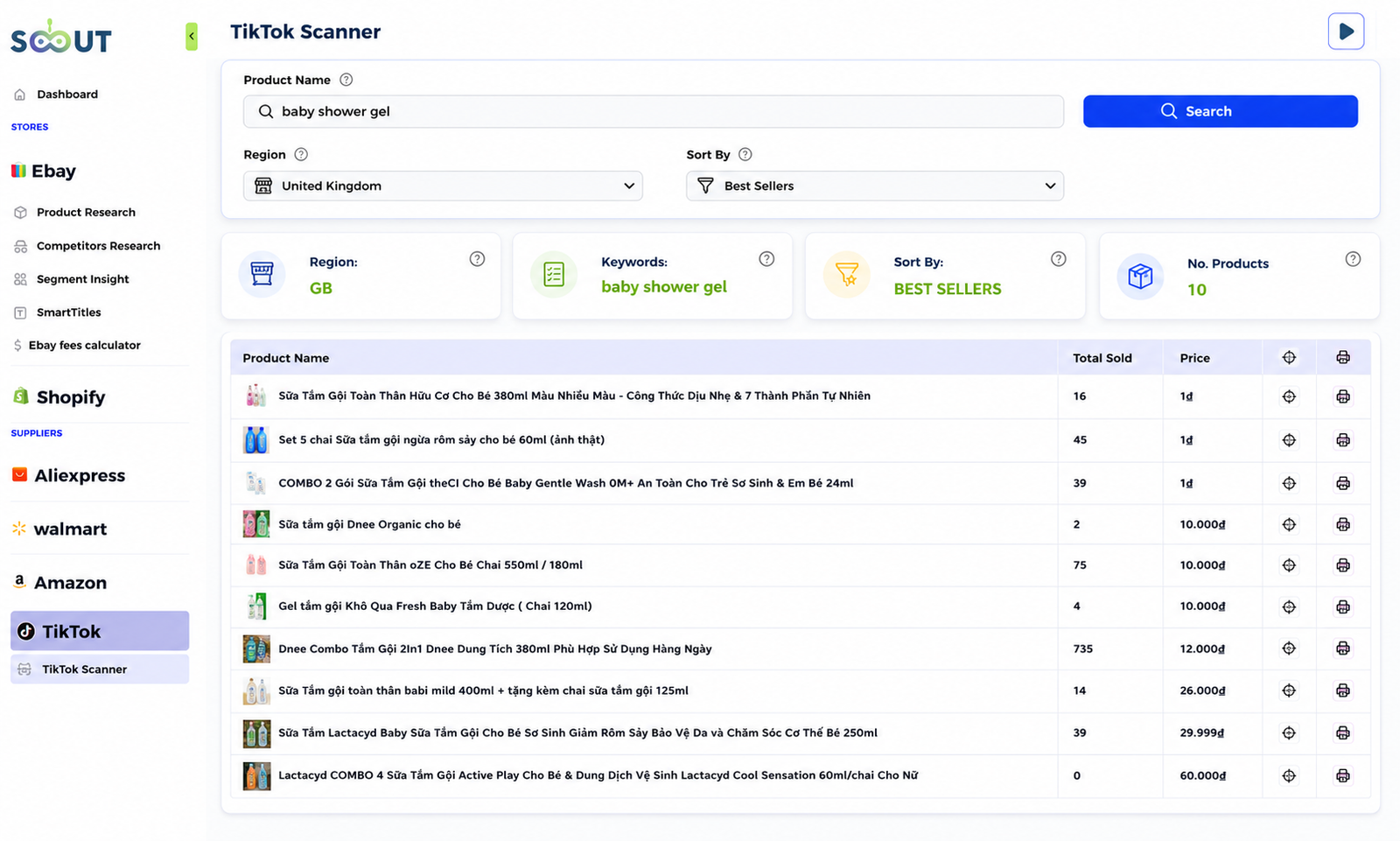
This is also where trend timing becomes a real advantage rather than a guessing game. Before approving a batch of creators or setting your commission rate on a new SKU, it helps to already know whether the product category is heating up or cooling off on the platform.TS Scout's TikTok Shop Scanner tool for surfacing trending TikTok Shop products, is built for exactly that moment: instead of vetting creators against a product you're hoping performs, you're vetting them against one you can already see is gaining traction, which changes the whole commission conversation in your favor.
Case example (an illustrative scenario based on typical seller experience, not a documented case study): A seller running Open Collaboration on a home-goods product noticed 40 creators applied in the first week, but only 6 posted within 14 days. After adding a minimum-engagement filter and prioritizing creators who'd previously posted demo-style content in adjacent categories, the next batch of 40 applicants produced 22 live posts, a jump from roughly 15% follow-through to 55%, without raising the commission rate at all. The lesson: vetting quality moves the needle more than commission size once your rate is already competitive.
How Do You Build a Content Engine That Runs on Creator Partnerships Alone?
The end goal isn't a handful of one-off posts, it's a system where creators continuously produce content, TikTok's algorithm rewards that volume with more reach, and you never touch a camera.
What Two Layers Make This Work?
-
A small number of high-performing creators who bring credibility and early traction
-
A larger pool of smaller creators who generate enough content volume to keep showing up in the feed
The volume math sellers actually use: send 100 samples to pre-screened creators, and in well-managed programmes with proper vetting, follow-through typically lands between 30–60%, meaning roughly 30–60 creators actually post. Even a conservative floor of 2 sales per post produces 60–120+ orders, before accounting for your best performers, who typically drive far more.
Keep enablement light. Ship the product with a short, physical brief: key benefits, a couple of suggested hook angles, the affiliate link or code, and a clear deadline (commonly 14 days from receipt). Avoid handing creators a full script, TikTok's culture rewards content that feels native and unpolished, not brand-scripted.
What If You Don't Hold the Product Yourself?
For sellers who source from suppliers rather than keeping stock on hand, running an affiliate sample programme still works, it just requires one extra step. Instead of shipping the product from your own inventory, place a single-unit order directly with your AliExpress supplier and enter the creator's address as the shipping destination. Most suppliers on the platform, and 1688 as well, will fulfill single-unit orders exactly the way they'd fulfill any other customer order, so nothing changes on their end. This keeps the "48 hours to ship" standard achievable without holding physical stock: the moment a creator is approved, you place the supplier order in their name and track it the same way you'd track a sample from your own inventory. The trade-off is timing, supplier-to-creator shipping usually takes longer than shipping from stock you already hold, so build that lead time into your outreach messaging so creators know when to expect the product.
What Does a Repeatable Weekly Cadence Look Like?
-
Pull a fresh list of creators filtered by engagement and post probability
-
Send personalized outreach, reference their niche specifically, not a generic template
-
Approve applicants and ship samples within 48 hours
-
Track who actually posts against who applied
-
Move your top performers from Open Collaboration into Target Collaboration with a higher rate
-
Retire non-performers and refill the funnel weekly rather than monthly
For creators who prove themselves, layer on real support, a shared resource for launch timing, quick-turnaround Q&A, or occasional flash-sale codes they can offer their audience. This is also where sellers often push their best-performing organic posts into paid amplification, since a post that's already converting organically tends to perform even better once ad spend is layered behind it. If you're deciding how much of your budget should go toward affiliate commissions versus direct advertising, our TikTokShop vs TikTok Ads breakdown covers how the two channels compare and where they actually work best together.
What's the Actionable Checklist for Launching Your Creator Affiliate Programe?
What Should You Set Up for Commissions?
-
Set your Open Collaboration rate (10–15% is a reasonable starting point)
-
Set a higher Target Collaboration rate for proven performers (15–25%+)
-
Decide whether you need a separate Shop Ads rate for paid-amplified sales
How Should You Approach Creator Sourcing?
-
Enroll products into Open Collaboration so they're visible in the marketplace
-
Manually shortlist and invite creators for Target Collaboration
-
Build a running list of your top 15–20 performers to prioritize over time
What Belongs in Your Vetting Process?
-
Filter by engagement rate and content style, not just follower count
-
Set a minimum post-probability threshold before shipping samples
-
Review past GMV or product history where available
How Should You Run Your Sample Programe?
-
Ship approved samples within 48 hours
-
Include a short brief: benefits, hook ideas, link/code, deadline
-
Track post follow-through rate weekly, not monthly
What Does Ongoing Management Require?
-
Review performance weekly and promote winners into Target Collaboration
-
Retire underperformers and refill the pipeline continuously
-
Refresh product briefs and hook suggestions monthly to avoid creative fatigue
What Mistakes Should You Avoid With TikTok Shop Affiliates?
-
Setting commission below category norms. Creators compare offers across brands before agreeing to promote, an underpriced rate simply gets skipped in favor of a competitor's listing.
-
Expecting creators to script their own content from nothing. A short, specific brief with hook ideas dramatically improves follow-through versus handing over a bare product link.
-
Running Open Collaboration only. Without a Target Collaboration layer, you have no mechanism to retain and reward the creators who actually convert.
-
Treating affiliate content and paid ads as separate efforts. Your best organic affiliate posts are also your best ad creative, not amplifying them is leaving reach on the table.
-
Checking performance monthly instead of weekly. TikTok Shop moves fast; a creator who was converting well two weeks ago may have already gone quiet.
-
Lowering commission rates without accounting for the 30-day lock. Cutting your rate right before a major sale won't actually apply to existing creators until the lock period passes, plan changes 30–45 days ahead.
Ready to Let Creators Do the Selling For You?
The affiliate creator programe works when you treat it as an active channel, not a static listing you set once and forget. Open Collaboration builds your volume and discovery layer. Target Collaboration retains and rewards the creators who actually move products. Commission rate determines who shows up in the first place, and vetting not follower count, determines who actually posts. Put those pieces together with a consistent weekly cadence, and you end up with a distributed sales force that runs largely on its own.
The part most sellers skip is knowing which products are worth building that engine around before they invest commission budget and creator outreach into them. TS Scout's $1, 14-day full-access trial gives you complete access to TikTok Shop Scanner and the rest of the platform's research tools, so you can spot which products are already trending before you commit your first commission rate.
Frequently Asked Questions
-
What's the minimum follower count to join TikTok Shop's affiliate programe?
Creators need at least 1,000 followers to self-apply as an Affiliate Creator, though full access to the Product Marketplace requires 5,000 followers.
-
What's the difference between Open Collaboration and Target Collaboration?
Open Collaboration makes your products visible to any eligible creator at one set commission rate. Target Collaboration lets you invite specific creators at a custom rate, typically higher, in exchange for more reliable, higher-quality promotion.
-
How much commission should I offer as a new seller?
Most sellers start Open Collaboration between 10–15%, adjusting up for competitive categories like beauty or down for higher-margin-thin categories like electronics.
-
Do I need to pay creators upfront?
No. Standard affiliate commissions are only paid when a sale completes through a creator's tracked link, there's no flat fee unless you separately negotiate a paid partnership outside the commission model.
-
How fast should I ship samples to approved creators?
Within 48 hours of approval. Creators lose momentum quickly, and a fast turnaround noticeably improves how many actually post.
-
Can creators promote my products outside of TikTok?
Yes. Through TikTok's External Traffic Program, approved creators can share affiliate links off-platform, extending your product's reach beyond the TikTok app itself.
like?


Table of Contents
- What Is the TikTok Shop Affiliate Creator Programe and How Does It Work?
- Should You Use Open Collaboration or Target Collaboration?
- How Do You Set Commission Rates That Attract Quality Creators?
- How Do You Vet Creators Before Approving Them?
- How Do You Build a Content Engine That Runs on Creator Partnerships Alone?
- What's the Actionable Checklist for Launching Your Creator Affiliate Programe?
- What Mistakes Should You Avoid With TikTok Shop Affiliates?
- Ready to Let Creators Do the Selling For You?
- Frequently Asked Questions