
A Buyer Opened an eBay Item Not as Described Case: Here's Your Exact Move
- 2026-09-03
-
 0
0
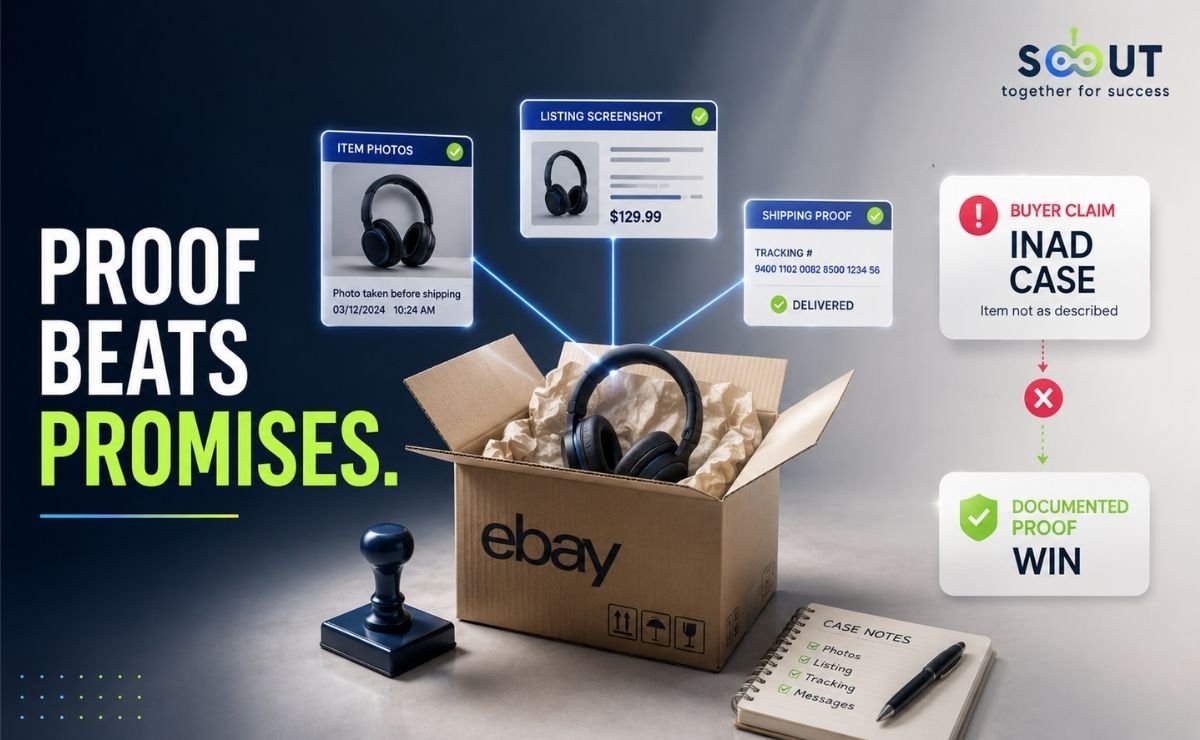
That notification lands in your inbox and your stomach drops before you even open it: a buyer has opened an eBay INAD case. If you're not sure exactly what INAD means on eBay and what falls under it, it's worth checking, since the term shows up across eBay's own help pages in ways that catch sellers off guard. You know the reputation these cases have. They're widely considered the hardest case type for a seller to win, because eBay's buyer protection system is built to favor the person who clicked "return." But an eBay item not as described is automatically a loss.
What decides the outcome isn't how upset you feel or how accurate you know your listing was, it's whether you respond inside the right window, with the right evidence, in the right format. This article walks through exactly what to do in the first 24 hours, what eBay actually accepts as proof, when fighting is worth it and when it isn't, and how to stop these cases from opening in the first place. No generic "communicate professionally" advice, just the sequence sellers who consistently win these disputes actually follow.
What Exactly Counts as an "Item Not as Described" Case on eBay?
An INAD case is opened when a buyer claims the item they received doesn't match what the listing promised, a different color or model, a function that doesn't work, visible damage that wasn't disclosed, missing parts, or an item the buyer believes is inauthentic. It's a separate case type from "item not received," and it's evaluated differently: instead of tracking data settling the question, it comes down to whether your listing description and photos match what actually shipped.
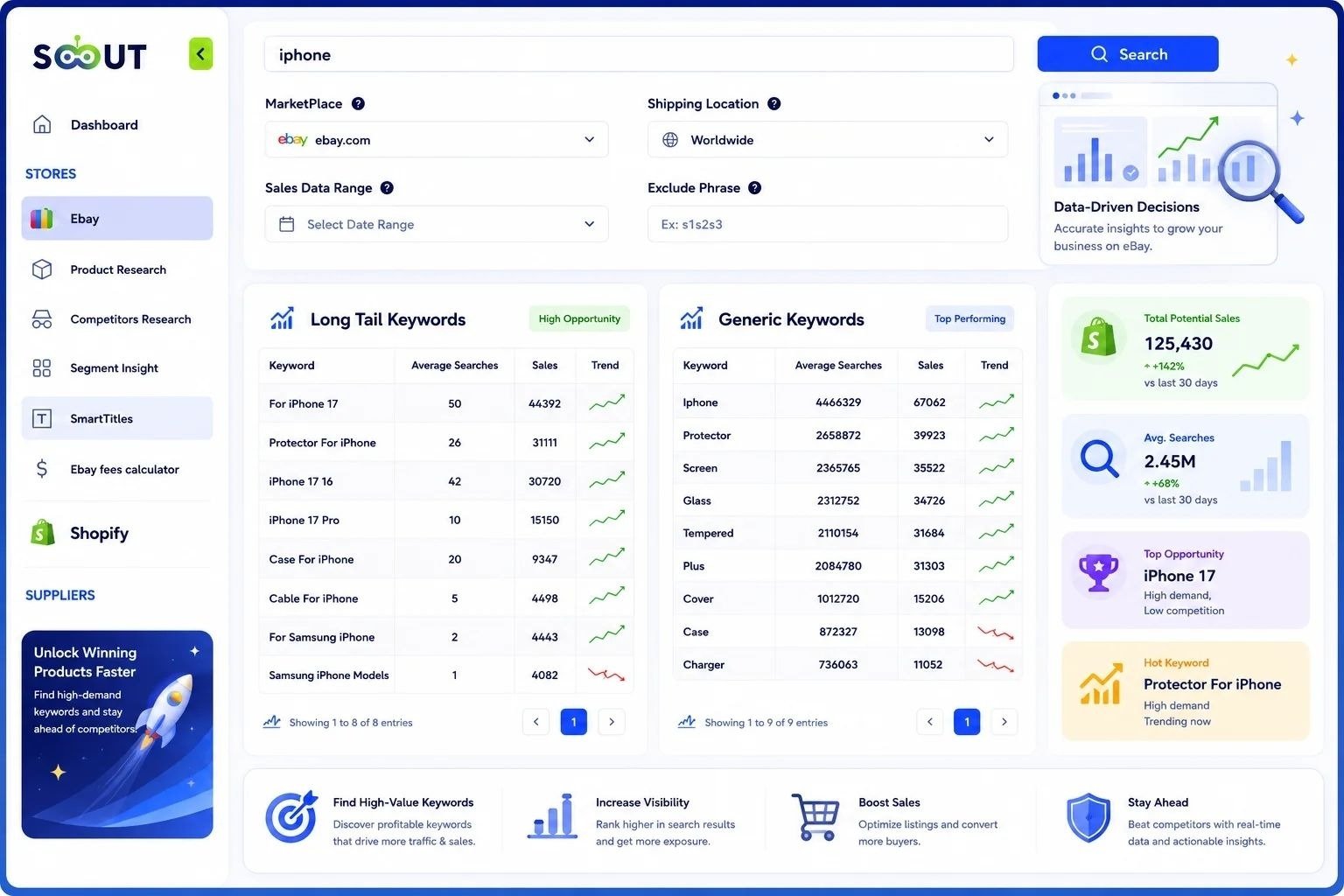
This is also the case type most closely tied to accuracy at the listing stage, which is why sellers managing dozens of live listings often lean on a eBay Smart Titles to make sure titles don't overstate a product's features or condition, since an inflated title is one of the fastest ways to trigger a legitimate INAD claim.
Why Does the eBay Money Back Guarantee Almost Always Favor the Buyer?
Every eligible purchase made through eBay checkout is automatically covered by the eBay Money Back Guarantee, which guarantees a refund when an item doesn't arrive, arrives damaged, or is materially different from its listing, regardless of what the seller's individual return policy says. This is the mechanism that gives INAD cases their reputation: the buyer isn't relying on your goodwill, they're relying on a platform-wide guarantee that sits above your store's own terms.
That doesn't mean the outcome is predetermined. It means the "no returns" label on your listing carries far less weight than most sellers assume, which is the exact misconception the next section clears up.
Does a "No Returns" Policy Protect You From an INAD Case?
No, and this is the single most common mistake sellers make when a case opens. A "no returns" setting only applies to buyer's-remorse returns (wrong size, changed their mind). It has no effect once a buyer selects "item not as described" as the return reason, because Money Back Guarantee coverage applies on top of, not instead of, your store policy. If you respond to an INAD case by pointing at your return policy, eBay will not treat that as a valid defense, you need evidence the item matched the listing, not a policy screenshot.
What Should You Do in the First 24 Hours After the Case Opens?
|
Step |
Action |
Why it matters |
|
1 |
Open the case and read the buyer's stated reason word-for-word |
eBay evaluates the case against this specific reason, not your general assumption of what went wrong |
|
2 |
Pull up your original listing photos and description as they appeared at time of sale |
You're comparing what you promised, not what's currently live if you've since edited the listing |
|
3 |
Check your message history with this buyer |
Prior complaints or requests for extra photos often explain what triggered the case |
|
4 |
Note the response deadline shown in the case |
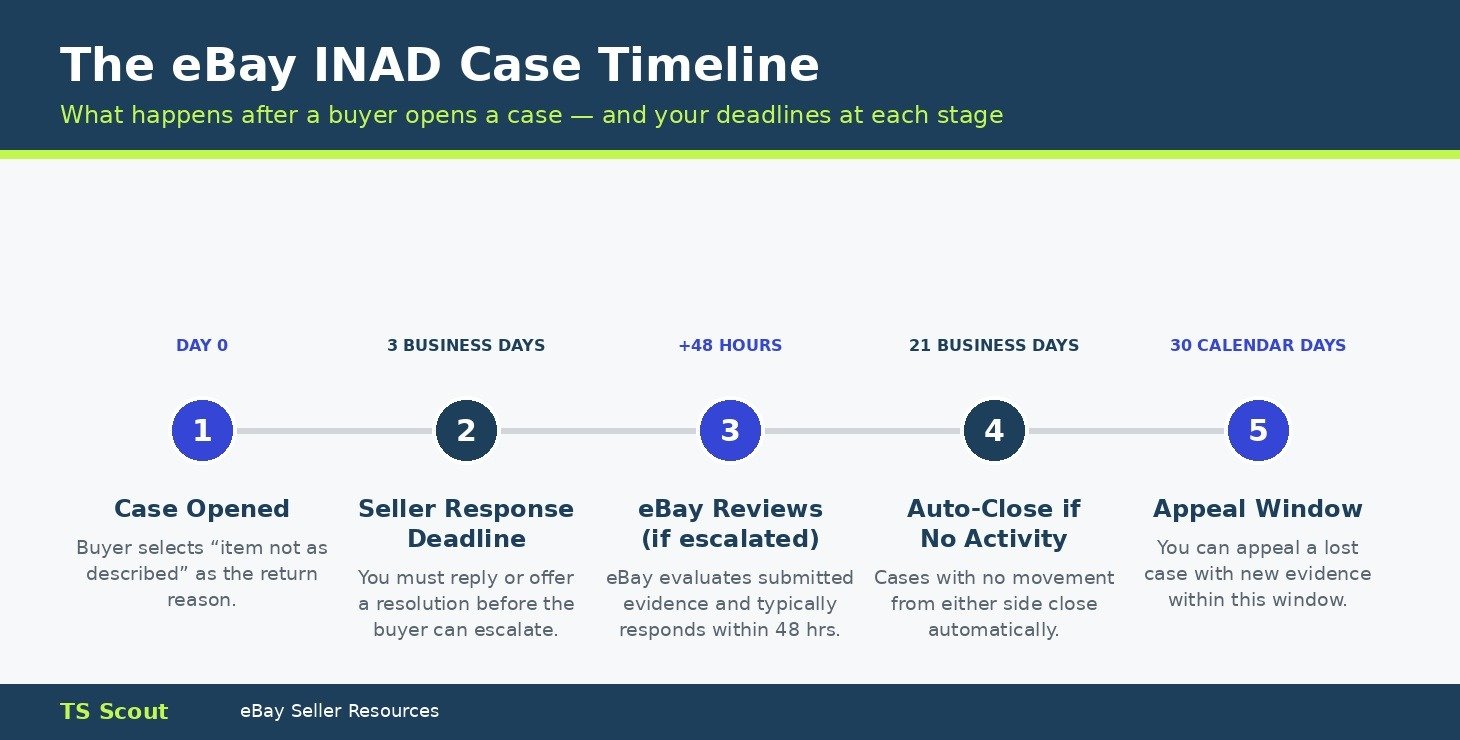
Sellers get 3 business days to respond before the buyer can ask eBay to step in |
Don't reply to the buyer yet, do this review first. A rushed, defensive first message is harder to walk back than a slightly delayed, well-evidenced one.
What Should Your First Reply to the Buyer Actually Say?
Your message needs three parts, in this order:
-
Acknowledge the specific issue they described, not a generic "sorry for the trouble," but a direct reference to what they claimed ("I understand the color of the unit you received doesn't match what was pictured").
-
Ask one clarifying question tied to evidence, request a photo of the item next to its packaging label, or a photo showing the specific defect they mentioned. This does two things: it gives you documentation, and a buyer without a real issue often stops responding at this point.
-
State what you can do next, offer the return process or a partial resolution, without conceding fault you haven't verified yet.
Keep this exchange entirely inside eBay Messages. Phone calls or off-platform email threads leave you with nothing to submit as evidence if the case escalates.
What Evidence Actually Holds Up in an INAD Dispute?
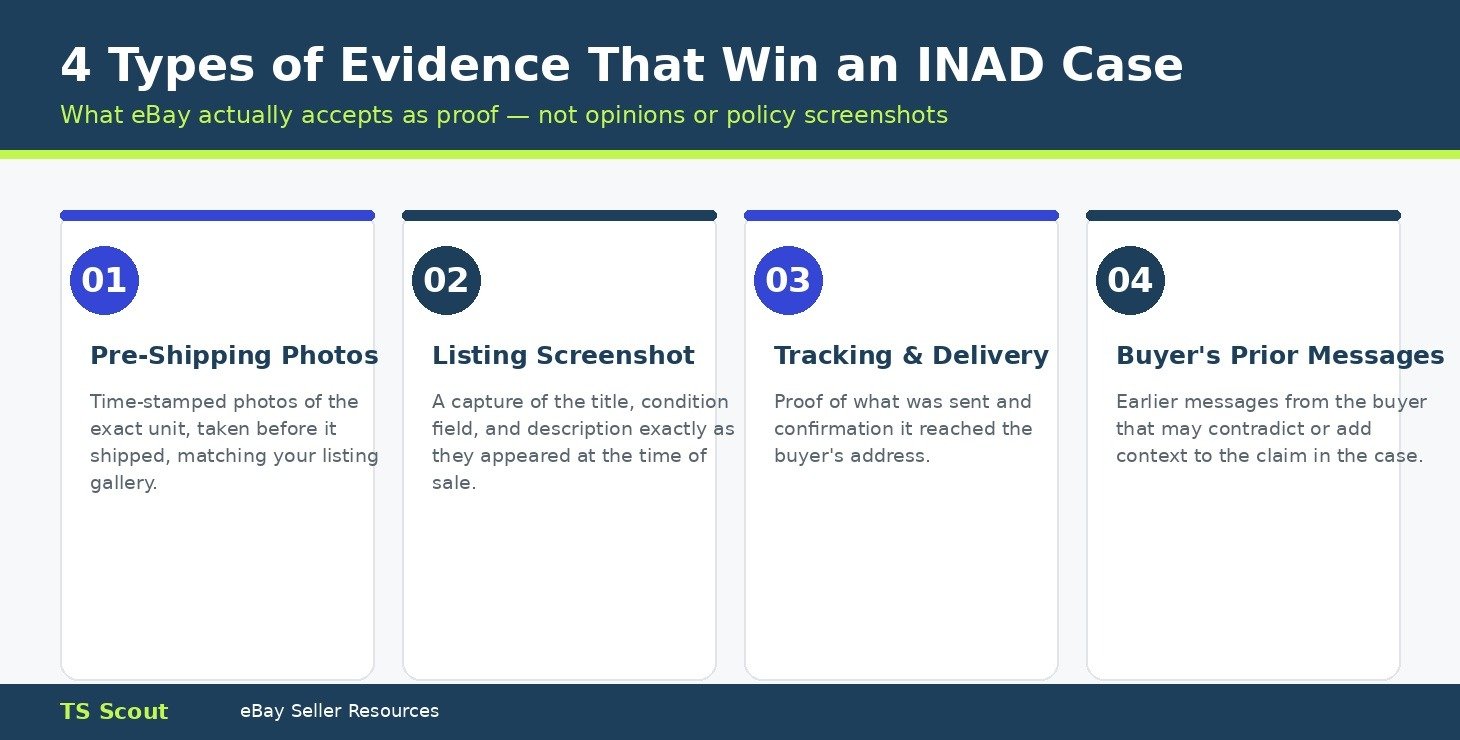
eBay does not weigh "I always describe my items accurately" as evidence, it weighs documentation. What actually holds up:
-
Time-stamped photos taken before shipping, showing the exact unit that went out, matching what's in the listing gallery
-
A screenshot of the listing as it appeared at the time of sale, including the title, condition field, and description
-
Tracking and delivery confirmation, which supports your case even in an INAD dispute by proving what was sent and confirming it reached the buyer
-
The buyer's own prior messages, if they contradict the claim in the case
To illustrate, picture a seller who lists a wireless keyboard as "brand new, sealed." A buyer opens an INAD case claiming the box showed signs of prior use. The seller had photographed the sealed unit on the packing table before shipping, with the listing's SKU label visible in the same frame, and had kept the original listing screenshot from the day of sale. Submitting both alongside the shipping confirmation gave eBay a direct, dated comparison, item as shipped versus item as listed — rather than a word-against-word dispute. That's the difference documentation makes: the case isn't decided by who explains themselves better, it's decided by whoever has proof timestamped before the disagreement started.
If you're sourcing from external suppliers and don't physically handle the item before it ships, this documentation has to come from your supplier at the point of dispatch, which is a gap worth closing before it costs you a case.
When Should You Accept the Return Instead of Fighting the Case?
Not every case is worth contesting. If the buyer's claim is plausible and you don't have strong pre-shipping documentation, accepting the return and refunding promptly is usually the better financial decision, a case closed without seller resolution carries more long-term cost through your seller performance metrics than one refunded item does. Fight the case when you have specific, dated evidence contradicting the claim. Accept and move on when you don't. There's no upside to contesting a case you're likely to lose anyway; it only delays the refund and adds a negative mark to your account instead of a neutral one.
What Happens When a Buyer Escalates and Asks eBay to Step In?
If you and the buyer haven't resolved things within 3 business days, either side can ask eBay to step in and help, and eBay then reviews the case directly, using your submitted evidence, the buyer's claim, and the message history, typically responding within 48 hours. Importantly, once eBay steps in, you can no longer negotiate a partial refund or a "keep it and I'll send $10 back" resolution; the decision becomes binary. Cases with no activity from either side are automatically closed after 21 business days.
Is This an INAD Case or a Payment Dispute, and Why Does It Matter?
Not every buyer complaint goes through eBay's case system. Some buyers instead file a payment dispute directly with their bank, credit card issuer, or PayPal, asking that institution, rather than eBay, to reverse the charge. This matters because the two tracks work completely differently: an eBay case is decided by eBay under the Money Back Guarantee, with a formal appeal option; a payment dispute, according to eBay's own policy, is ultimately decided by the buyer's payment institution, and eBay's role shifts to helping you build evidence rather than issuing the final ruling. If the notification you received references a "dispute" rather than a "case," check which track you're actually on before you plan your response, the evidence and deadlines aren't identical.
Can You Appeal an INAD Case You Lost?
Yes, if the case was closed as "closed without seller resolution." According to eBay's appeal policy for sellers, you have 30 calendar days from the closing date to submit an appeal from your Seller Dashboard, and it needs to include new information, documents showing the item matched the listing, or proof that a refund was already issued before the case closed. Resubmitting the same evidence you already provided will not change the outcome; the appeal only works with something the original decision didn't have.
How Does Top Rated Seller Status Change Your Protection Level?
Top Rated Sellers get a specific, documented layer of protection that standard sellers don't: according to eBay's seller protections policy, if a buyer falsely claims an item was not as described, eligible sellers are reimbursed for the return shipping label and have related negative or neutral feedback, defects, and cases automatically removed from their service metrics once the false claim is established. This status also affects how account-level risk compounds, repeated cases that go unresolved can eventually trigger a review that leads to an eBay Account Suspension, which is a far more costly outcome than any single refund.
What If Your Supplier Sent the Wrong Item Without Your Knowledge?
This is one of the most common triggers of a legitimate-seeming INAD case for sellers who don't personally handle inventory before it ships, a common dropshipping scenario where the product that reaches the buyer simply isn't the one the supplier confirmed. eBay's policy places responsibility for the buyer experience entirely on the seller of record, not the supplier, so "my supplier made the mistake" isn't an eBay-facing defense. What it should trigger is a parallel process: open a claim with the supplier at the same time you handle the eBay case, and keep the two threads separate. Working consistently with vetted, reliable sources, the kind covered in our roundup of Top eBay Suppliers, reduces how often this scenario happens in the first place.
How Can You Reduce INAD Cases Before They Happen?
-
Match your photos to the actual unit condition, not a stock image from the manufacturer
-
Disclose every flaw specifically rather than relying on a general "used, good condition" label
-
Re-check listings after supplier updates, since a specification change on their end that you don't reflect becomes a mismatch on yours
-
Benchmark your listing accuracy against top competitors in your category using the eBay Competitors Research tool, which surfaces how leading sellers structure descriptions and disclosures for the same product type
-
Vet new products before listing them, since categories with naturally high return and complaint rates are easier to sidestep than fix after the fact, something the eBay Product Research tool is built to flag early
-
Watch international order volume, since Money Back Guarantee coverage carries specific exclusions on cross-border purchases that don't apply domestically
None of these are one-time fixes, they compound the same way case volume does, particularly around high-order periods flagged in our eBay Seasonal Selling Calendar, when a spike in orders makes small listing inconsistencies far more visible.
What Mistakes Make an INAD Case Worse?
-
Not responding within the 3-business-day window, silence resolves in the buyer's favor by default in most cases
-
Arguing the point instead of submitting evidence, a strongly worded message with no photos carries no weight
-
Mixing up a return request with an order cancellation, if the issue surfaces before the item ships, that's a different process, covered in our guide on how to Cancel an eBay Order as a Seller, and using the wrong one can cost you time you don't have
-
Letting the same listing generate repeat cases, a pattern eBay tracks at the account level, not just per transaction
What's the One Thing That Actually Decides Whether You Win?
Documentation timed before the dispute exists, not documentation created after it. Every step in this guide comes back to that one point: photos taken before shipping, listings screenshotted at time of sale, messages kept on-platform.
Building that habit into your listing workflow, alongside sourcing from suppliers you've actually vetted, is what turns "I hope eBay believes me" into a case you can actually prove. For sellers who want that research built into their process from the start, checking competitor listings, verifying product data, and catching risky products before they go live, TS Scout's full toolset is available for $1, with full access for 14 days.
FAQS
-
Can eBay force a refund even if my listing was accurate?
Yes, if you can't produce evidence at the time of the dispute. eBay's decision is based on submitted documentation, not on how accurate your description actually was.
-
How long does a buyer have to open an eBay INAD case?
Buyers generally have 30 days from the estimated or actual delivery date to open a case under the Money Back Guarantee.
-
Does accepting a return hurt my seller rating?
A prompt, voluntary resolution is treated far better in your service metrics than a case that closes without seller resolution or gets escalated to eBay.
-
What if the buyer returns a different or damaged item?
Document the returned item immediately with photos and report it through Seller Help, this is treated as a separate issue from the original case and can be appealed with that evidence.
-
Can I block a buyer after an eBay INAD case?
Yes, once the case is closed you can add the buyer to your blocked buyer list, though this doesn't retroactively affect the case outcome.
-
Is an INAD case different for a dropshipper who never sees the item?
The eBay-facing process is identical, the platform holds the seller of record responsible regardless of fulfillment model, which is exactly why supplier-side documentation matters as much as your own listing accuracy.
like?


Table of Contents
- What Exactly Counts as an "Item Not as Described" Case on eBay?
- Why Does the eBay Money Back Guarantee Almost Always Favor the Buyer?
- Does a "No Returns" Policy Protect You From an INAD Case?
- What Should You Do in the First 24 Hours After the Case Opens?
- What Should Your First Reply to the Buyer Actually Say?
- What Evidence Actually Holds Up in an INAD Dispute?
- When Should You Accept the Return Instead of Fighting the Case?
- What Happens When a Buyer Escalates and Asks eBay to Step In?
- Is This an INAD Case or a Payment Dispute, and Why Does It Matter?
- Can You Appeal an INAD Case You Lost?
- How Does Top Rated Seller Status Change Your Protection Level?
- What If Your Supplier Sent the Wrong Item Without Your Knowledge?
- How Can You Reduce INAD Cases Before They Happen?
- What Mistakes Make an INAD Case Worse?
- What's the One Thing That Actually Decides Whether You Win?
- FAQS