

The No-Inventory Playbook: How to Build eCommerce Brand Recognition That Lasts
- 2026-05-14
-
 0
0

Have you ever clicked "Order" on a generic gadget or tee, only to forget the store's name the second you closed the browser tab? That’s not a memory problem, that’s a branding problem. When a shop is nothing more than a digital shelf stocked with the same items as ten thousand other sellers, you aren't running a business; you're just running a temporary transaction.
Real staying power, the kind that makes someone excited to see your notification in their email, not just any order confirmation, is built on personality and a clear story.
If you want to build eCommerce brand equity that outlasts a single ad campaign, you have to stop thinking like a vendor and start thinking like a curator. This applies whether you're selling on a custom Shopify store, a crowded Amazon marketplace, or a vintage eBay account. This is the roadmap for moving from a forgettable link in a search result to a memorable name that earns repeat visits and word-of-mouth without you lifting a finger.
The Real Mission: Creating Value That Goes Beyond the Checkout
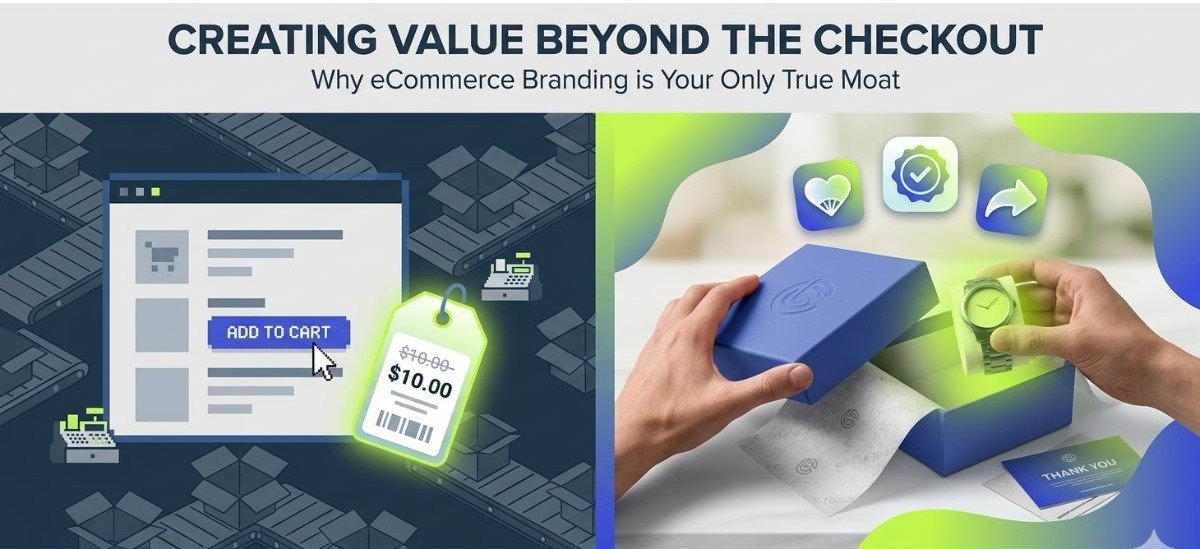
Let’s get one thing clear before we talk about colors or logos: there is a massive difference between a "store" and a "brand." An eCommerce store is just a container for a transaction. You list a product, someone pays, it ships. That’s a logistics loop. A brand, however, is the story that plays in the buyer's head while the package is still on the truck. It’s what people tell their friends about you when you're not in the group chat.
Why should you, especially if you're selling without ever touching the inventory, care about this distinction? Because branding is the only moat you can build without owning a warehouse. Here’s why it’s non-negotiable:
-
Escape the Price Comparison Trap: When you sell the exact same widget as everyone else on Amazon or eBay, the only thing that makes you different is the feeling of buying from you. A solid brand stops the "race to the bottom" and gives you a reason to charge more than the generic listing below you.
-
Higher Margins Without Higher Overhead: Trust is a premium currency online. You don't have to change the manufacturer to increase a product's value. A generic $10 shirt becomes a $40 statement piece the moment it’s wrapped in your brand’s confidence and promise.
-
The Fan Effect (Free Traffic): Great brands cultivate fans, not just repeat customers. A repeat customer might use a coupon code. A fan ignores the coupon code because they want to support you, and then they post an unboxing video that does your marketing for you. That’s how you build eCommerce brand loyalty that algorithms can't take away.
Ready to Get Started?
Now that you understand the reason behind the shift from anonymous seller to standout name, let's roll up our sleeves and walk through the exact, low-risk steps to build eCommerce brand recognition that sticks no warehouse or design degree required.
Step 1: Find Your Foundation: Pick a Niche Worth Owning
You cannot build a name that sticks if you're shouting into a crowded stadium hoping someone hears you. Trying to sell "everything for everyone" is the fastest way to become nothing to no one. A memorable brand starts with a clear, narrow focus a niche. That simply means choosing a specific group of real people who share a specific frustration or desire.
Instead of a sprawling "fitness store" that competes with billion-dollar giants, narrow your lens. Think "yoga comfort for tired moms with no time to shop" or "rugged home gym essentials for the garage lifter." That sharp focus makes every future decision from the tone of your emails to the look of your store so much easier.
How do you find this sweet spot? Look for the cracks in the market that bigger sellers ignore. Search for products with steady interest but surprisingly poor presentation. Dive into the reviews and comment sections of your competitors. If you see the same three complaints over and over again, maybe it's confusing sizing, lifeless packaging, or lackluster customer support, that is your invitation. That gap is your opportunity to step in and simply do it right, building trust from day one.
Step 2: Discover Your Tribe: Know Your Customer Deeply
Once you have your niche locked in, the real work begins: you need to find the people who actually want it. You cannot solve a problem well if you have no clue who is living with it day in and day out. To build eCommerce brand loyalty that feels personal, you have to dig past the surface data and understand the human on the other side of the screen.
Stop thinking about "traffic" and start thinking about one specific person. Ask yourself the questions that actually shape how you write, design, and market:
-
Daily Life & Friction: What age range are they in, and what small annoyance or big headache are they trying to fix with your product?
-
Digital Hangouts: When they aren't buying things, where are they scrolling? Are they deep in niche subreddits, watching quick TikToks, or saving inspiration on Instagram?
-
Natural Language: How do they describe their problem? Do they use industry jargon or simple, emotional words? You need to speak their language, not manufacturer specs.
The fastest shortcut here is smart observation, not expensive research. Look closely at the successful stores already serving your space. Notice which social platforms seem to drive their real engagement and pay attention to the specific phrases their audience uses in the comments. Pull those clues together to sketch out a simple customer persona a clear picture of who you're talking to. This profile becomes your compass, guiding every product description, email subject line, and ad you ever create.
Step 3: Design the "Face" and "Voice" of Your Business
Now it's time to stop looking like a template and start feeling like a real destination. This is where you define the overall "vibe" those customers sense the moment they land on your page. It all comes down to two simple but powerful elements you can control completely even without touching a single product:
1. The Visual Identity (The Face):
Consistency is your quiet superpower. Pick just two or three main colors and commit to them everywhere. Use the same clean fonts on your site, in your emails, and across any social post you create. When a past buyer scrolls past your content and spots that exact shade you always use, their brain should instantly connect it to the quality and experience you've delivered before. That split-second recognition is what builds eCommerce brand familiarity and keeps you from blending into the background noise.
2. The Brand Voice (The Personality):
Decide who you sound like and own it. Are you the witty, no-nonsense friend who cuts through the fluff? Or are you the calm, reassuring expert who guides with gentle authority? There is no wrong answer, only inconsistency. If your niche is rugged outdoor adventure, your words should crackle with energy and confidence. If your space is soft, handmade nursery items, let your tone feel like a warm, caring whisper. When you speak their language naturally, you stop sounding like a store and start sounding like someone who truly understands them.
Step 4: Launch Your Flagship: Build a High-Converting Store
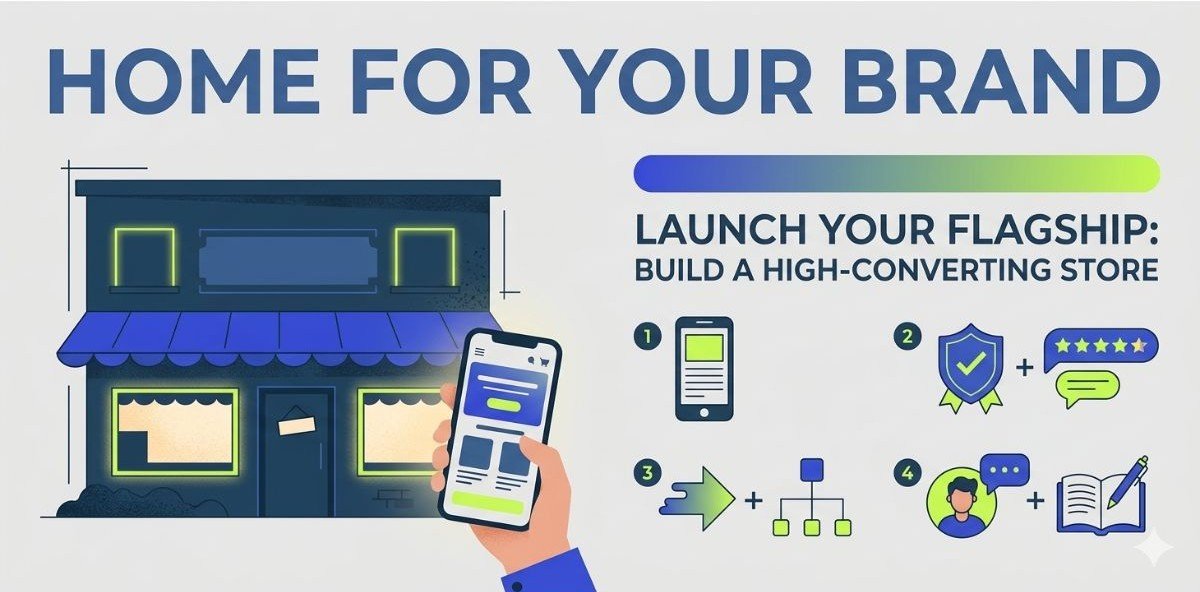
Your website is more than a digital shelf it's the only home your brand will ever have. And just like a real home, it should feel welcoming the moment someone steps through the door. Yes, it needs to look polished and work flawlessly, but more than that, it needs to feel safe, human, and worth returning to.
Here's what transforms a basic store into a place people actually want to stay:
1. Design for the Small Screen First:
Most of your visitors will find you while waiting in line, lying in bed, or stealing a quiet moment on their phone. If they have to pinch, zoom, or squint just to read your product description, they won't bother; they'll simply swipe away. A smooth mobile experience isn't a bonus; it's how you show respect for their time and attention.
2. Weave Trust Into Every Corner:
Remember, your buyer cannot walk into a physical showroom. They cannot touch the item or look anyone in the eye. That's why trust signals do the heavy lifting for you. Genuine reviews from real buyers, a clear and fair return policy written in plain language, and those small security badges at checkout all whisper the same quiet message: "You're safe here."
3. Speed and Simplicity Are Silent Kindness:
A sluggish website feels like a locked door. No one waits. Use crisp, fast-loading images and keep your navigation clean and intuitive. When a customer glides from discovery to checkout without a single headache, that ease becomes part of your brand's quiet reputation.
4. Don't Skip the Story That Makes You Real:
The "About Us" page is often the most neglected corner of an online store, but for a non-stock seller, it's your secret weapon. It's where you stop being a logo and become a person. Share why you started this journey. Talk about the problem you saw in the market or the kind of experience you wished you could have had as a shopper. It doesn't need to be a grand corporate saga. It just needs to be honest.
People connect with humans, not faceless warehouses. When someone reads your story and nods because they get it, you haven't just earned a sale, you've started to build eCommerce brand loyalty that no competitor's discount code can easily break.
Step 5: The Moment That Matters: Making Arrival Feel Personal
Here is a quiet truth about selling online: the single most emotional moment in your customer's journey happens when you aren't even in the room. It's that brief, charged second when they first hold the package in their hands. Will it feel like just another forgettable brown box dropped on the doorstep, or will it feel like something meant for them?
A plain, unbranded package is a missed handshake. The customer opens it, grabs the item, and tosses the evidence. No memory. No feeling. But when that same package carries even a whisper of your identity, a sticker, a simple note, a slip of paper that says "You're going to love this" the entire transaction transforms. You've stopped being a faceless website and started being someone who cared enough to make an arrival feel like a tiny celebration.
Now, you might be thinking: "But I don't pack these boxes myself. I never even see the product."
I understand. That's the reality for many online sellers. But here's the shift in thinking: the experience doesn't have to live inside the box to live inside their memory. You can still orchestrate that feeling of being seen and appreciated. Here's how smart sellers who never touch inventory still win this moment:
-
Supplier Conversations Matter: Many fulfillment partners offer custom packing slips or logo stamping for pennies per order. It's a small conversation that yields a massive return in perceived value.
-
The Follow-Up Email as a Digital Unboxing: The day the package arrives, send a warm, personal email. Not a receipt reminder of a genuine note. "Your order just landed. Here's a quick tip to get the most out of it." This closes the loop emotionally.
-
The Post-Purchase Surprise: Consider mailing a small, lightweight branded item separately a handwritten thank-you card or a quality sticker. It costs a stamp and an envelope, but the impact of receiving something just because is how you build eCommerce brand devotion that outlasts any single product.
When you make the arrival feel special, you unlock something priceless: the urge to share. That's the moment a satisfied buyer pulls out their phone and posts a quick TikTok or a story about "this cool little shop I found." And that, right there, is advertising money simply cannot buy.
Step 6: Earn Authority: Attract Your Tribe Instead of Chasing Them
A beautifully designed store with zero visitors is not a business, it's a quiet, private gallery that only you get to enjoy. If you want to build eCommerce brand momentum that actually compounds over time, you need to shift your entire mindset around marketing. Stop exhausting yourself by chasing clicks and fleeting attention. Start positioning yourself as a voice worth listening to. When you do this right, customers don't just stumble upon you; they seek you out.
Marketing, at its heart, is not about how much you can afford to spend on ads. It's about how consistently and honestly you can tell a story that lands in the hearts of the people you've already identified as your tribe. Whether they find you through a Shopify blog post, an eBay store link, or an Instagram Reel, the goal is the same: make them feel something real.
Here's how to turn quiet content into loud, loyal traffic:
1. Social Proof That Feels Like a Conversation:
Step away from the sterile, white-background product shot. That's what everyone else is doing. Instead, let people peek behind the curtain. Show a quick clip of how you curate your selections or share a screenshot of a glowing customer message. Offer one genuinely helpful tip related to your niche. When you educate or entertain before you ask for the sale, you stop being a salesperson and start being a trusted friend. And people buy from friends.
2. Email: The Relationship You Actually Own:
Social media algorithms are rented land. Your email list is the deed to your digital home. When someone trusts you enough to hand over their inbox address, treat that as sacred ground. Send them things that matter early access to new finds, a quick note with a niche tip, or a simple, warm update. This is how a one-time, anonymous transaction quietly blossoms into a long-term connection.
3. Influencers: Borrowed Trust from the Right Voices
You don't need a celebrity with millions of followers who has never used your product. You need the smaller, deeply trusted creators who already speak the secret language of your niche. When they share your store with their audience, it carries a weight that no banner ad can match. It's a quiet, powerful stamp of approval that says, "I vouch for these people."
Here's the simple secret most sellers overlook: Authority is just a fancy word for being reliably helpful over time. When you consistently show up with value without a hidden catch you cement your place in the buyer's mind. And when that moment comes where they are finally ready to purchase, your name will be the only one that surfaces. Not because you tricked them, but because you earned the right to be there.
Step 7: Scale with Clarity: Let Data Guide You
Building a brand is a daily practice, not a one-time launch. To move from guessing to knowing, start measuring what actually matters. Watch which products resonate and which channels bring loyal fans. Let data make the decisions your gut can't.
Even the biggest names test, tweak, and listen constantly. You can do the same. By paying attention to what works and refining quietly over time, you turn a simple store into the name that comes to mind first.
The Final Word:
Start with something that solves a real problem. Lead with a clear, human identity. Then let honest data point the way forward. Don't just open a store. Build eCommerce brand recognition that lasts.
Build eCommerce Brand Presence on eBay: Work Smarter, Not Harder
Growing a recognizable name on eBay isn't about who lists the most items the fastest. It's about tuning into the quiet signals already moving through the marketplace: what buyers are actually searching for, and why they choose one seller over another when the product looks identical. To truly boost your ecommerce business and turn that visibility into lasting trust, you need precision not just persistence. Apply the same strategic thinking from your broader brand foundation, and your eBay storefront becomes a legitimate extension of your identity and a reliable engine for growth.
Here's how to pair the right tools with the right mindset:
-
Spot the Gaps Everyone Else Misses:
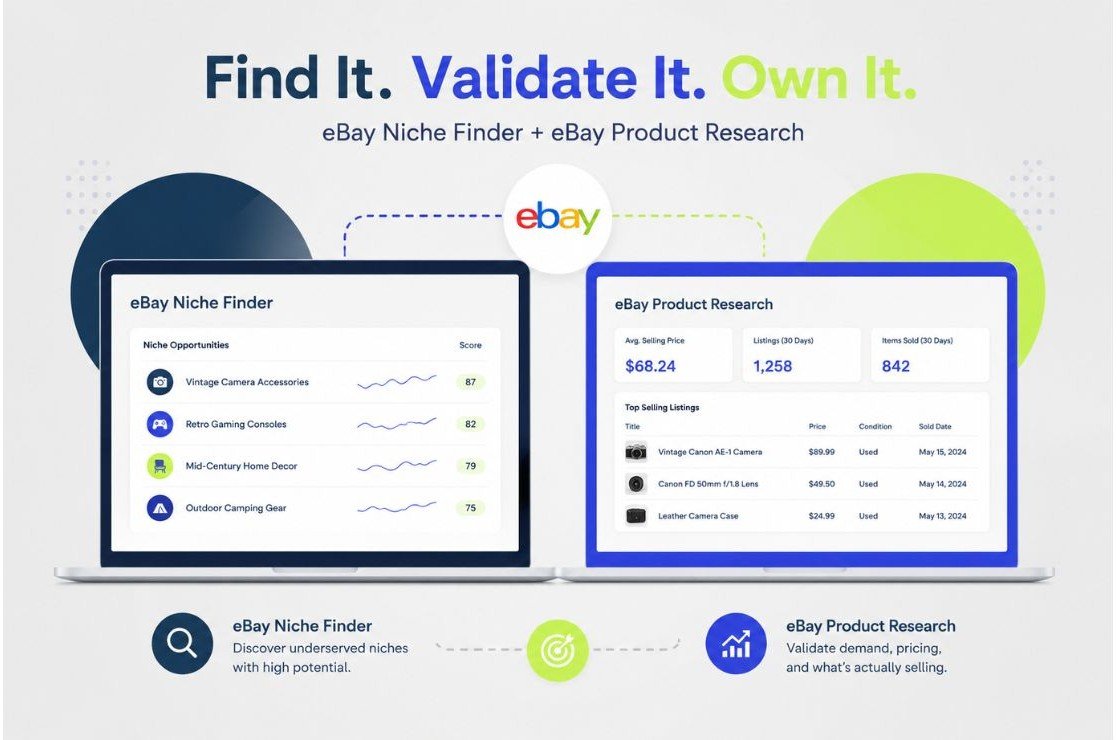
As Step 1 established, finding a niche worth owning starts with clarity not guesswork. eBay is massive, but it's full of overlooked corners where demand is steady and the competition is underwhelming. Use the eBay Niche Finder tool to uncover these hidden categories, then validate your findings with eBay Product Research to see real listing volume, average pricing, and which items are actually moving. That's how you move from hoping to knowing, and lock in a niche with genuine potential.
2. Understand Who You're Up Against
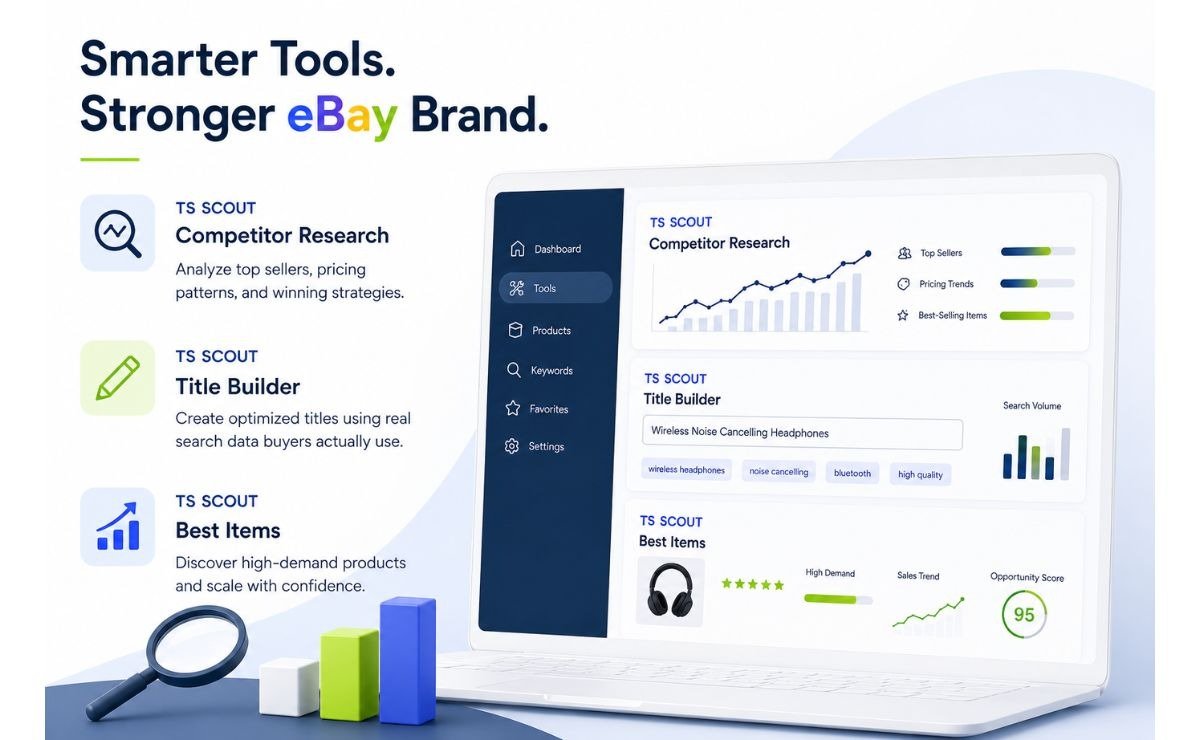
Steps 2 and 3 drilled into one essential truth: a memorable brand voice isn't built in a vacuum, and understanding your audience means understanding who already has their attention. You can't position your brand effectively if you don't know what the established players are doing right or where they're falling short. The eBay Competitor Research tool lets you quietly study top seller stores, revealing their pricing patterns, best-selling items, and overall strategy. Use those insights to refine your own tone, fill the gaps they've left open, and offer something genuinely different.
3. Speak the Language Buyers Actually Use
Authority and store experience live or die at the search bar that's the thread connecting Steps 4 and 6. Your product title is your handshake in search results, so don't leave it to guesswork. The free eBay Title Builder tool generates optimized titles from real search volume data, aligning your listings with the exact phrases your tribe is already typing. Better visibility means more opportunities to build trust at first glance and turn a casual search into a confident click.
4. Focus on Proven Winners
Data-driven scaling, the focus of Step 7, is about betting on what already works, not gambling on hunches. In a marketplace as vast as eBay, guessing is expensive. The eBay Best Items tool highlights products with high, consistent demand so you can focus your energy where the buyers already are. Show up there with a sharper presence, a clearer story, and a brand they remember long after checkout. To scale with certainty, use advanced filters and seller feedback metrics to validate ideas before you commit turning simple product searches into steady, predictable brand growth.
Build eCommerce Brand Authority on Shopify: Let the Market Guide You
A polished Shopify theme is a great start, but a memorable brand is built on smart, quiet moves behind the scenes. To grow from a fresh storefront into a trusted name, you need to stop guessing what might work and start observing what already works for the most successful players in your space. With the right lens, you can validate your niche, decode competitor playbooks, and spot rising opportunities before the crowd piles in.
Here's how to build eCommerce brand momentum on Shopify using clarity instead of chance:
1. Validate Demand Before You Build
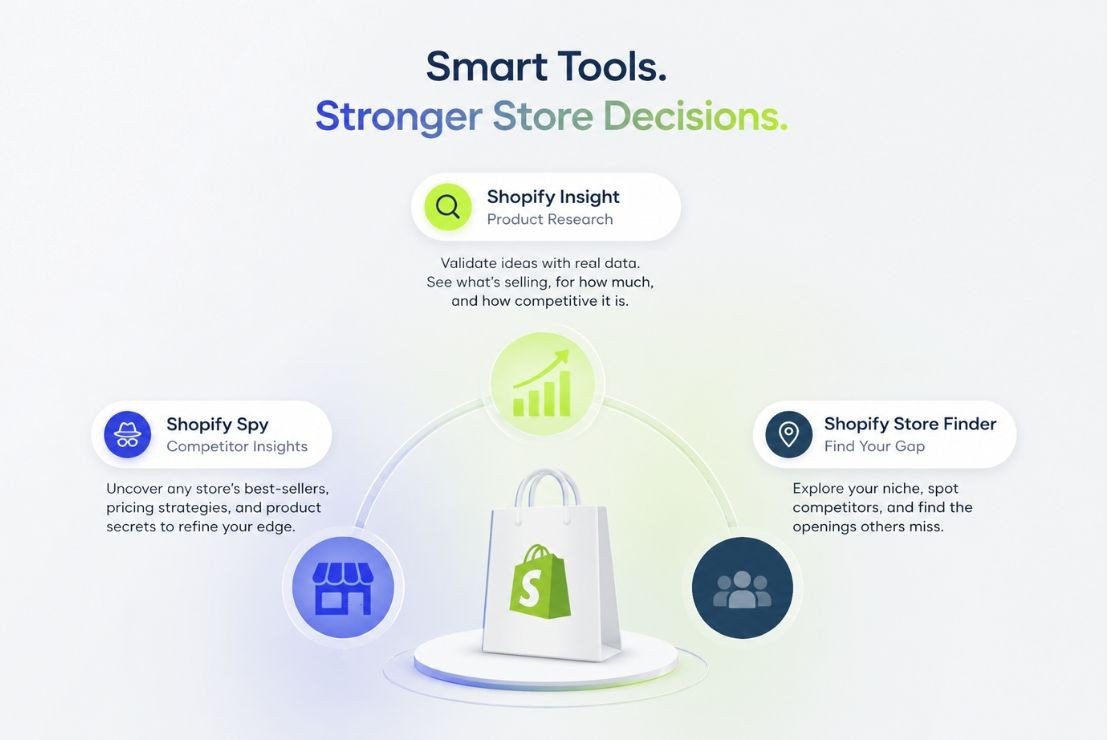
Step 1's lesson on niche clarity applies here without exception: a great product idea means nothing if the market isn't searching for it. Before you pour hours into designing a store around a concept, use the Shopify Insight Product Research tool to filter by price, category, and time period and see real performance data units sold, average pricing, and how many sellers are already competing. This turns a hopeful guess into a confident decision, confirming you've found a niche worth owning
2. Decode What Winning Stores Do Differently
The audience and competitive edge strategies in Steps 2 and 3 point to one reality: you can learn more in ten minutes of quiet observation than in weeks of blind trial. The Shopify Spy Competitor Research tool lets you enter any store's URL and pull back the curtain on their product lineup, pricing rhythm, and best-sellers. Those insights sharpen your own voice and reveal exactly what they've overlooked whether that's a warmer tone, smarter curation, or a cleaner shopping experience.
3. Map the Territory and Spot the Gaps
Steps 1 and 6 converge on the same core truth: authority comes from knowing the full landscape before you make a move. Walking into a crowded niche without understanding the competition is a plan for getting lost. Shopify Store Finder helps you discover exactly who else is selling in your chosen space. Use that view to locate the quiet corners where competition is thin but buyer interest is real. That gap is precisely where your brand can step in and own the conversation.
4. Catch the Wave Before It Crests
Step 7's data-driven scaling wisdom is simple but powerful: trends don't announce themselves, they whisper in the sales data. By watching performance shifts over specific time windows, you can spot products gaining quiet momentum before the crowd catches on. That early awareness moves you from follower to tastemaker giving your brand the first-mover advantage that separates category leaders from copycats.
Build eCommerce Brand Strength on Amazon: Move Before the Crowd
Succeeding on Amazon is less about having the most listings and more about having the right timing. In a sea of identical offers and aggressive pricing wars, your brand's survival depends on spotting what buyers want next, not just what they're buying today. To build eCommerce brand recognition here, you need to align your curation with real, rising demand before the competition floods in.
Here's how to use market awareness as your quiet advantage:
1. Spot and Validate What's Actually Heating Up
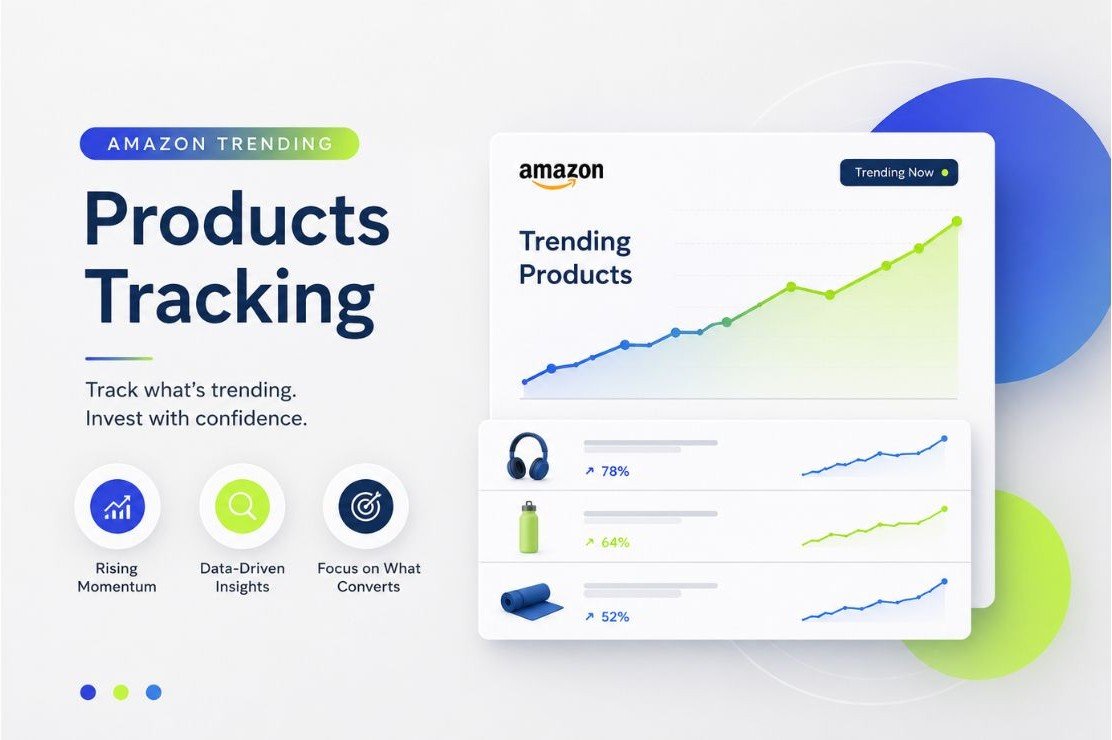
Niche clarity and data-driven scaling the focus of Steps 1 and 7 both remind us that guessing is a gamble. Smart sellers skip the hunches and turn to real numbers. TS Scout Amazon Scanner instantly pulls product prices, ratings, reviews, and category data, surfacing items with genuine rising momentum before the crowd catches on. This separates steady, long-term demand from short-lived noise, so you invest only in products with real staying power and profit potential.
2. Know the Difference Between a Fad and a Foundation
Audience understanding and authority, the core of Steps 2 and 6, rely on one quiet skill: pattern recognition. A sudden spike in interest can look exciting, but flash-in-the-pan trends rarely build a lasting brand. By watching how demand behaves over time, not just in the moment you learn to distinguish between fleeting buzz and sustainable appetite. Building around the latter creates a catalog that earns repeat trust rather than chasing one-hit wonder sales that vanish overnight.
3. Improve Your Position by Studying What Already Works
Voice and store experience, as Steps 3 and 4 teach, aren't just about what you say, they're about what you choose to do better. Popular products rise for a reason. Often, they quietly solve a specific frustration or speak directly to a buyer's unspoken need. Take time to analyze why certain items are gaining traction. Then refine your own offering to close the gaps competitors leave behind whether that means clearer images, warmer language, or a storefront presence that feels genuinely trustworthy from the first click.
No warehouse, no problem. This blueprint helps you build eCommerce brand authority from scratch across Shopify, eBay, and Amazon covering niche, audience, and scaling, from mission straight to a memorable unboxing moment.
Ready to Build Your Legacy?
Stop leaving your growth to chance. Unlock full access to TS Scout's complete toolkit and start scaling your eCommerce brand with data-driven precision across eBay, Shopify, and Amazon.
[Start Your 14-Day Full Access Trial for Just $1]
like?


Table of Contents
- The Real Mission: Creating Value That Goes Beyond the Checkout
- Step 1: Find Your Foundation: Pick a Niche Worth Owning
- Step 2: Discover Your Tribe: Know Your Customer Deeply
- Step 3: Design the "Face" and "Voice" of Your Business
- Step 4: Launch Your Flagship: Build a High-Converting Store
- Step 5: The Moment That Matters: Making Arrival Feel Personal
- Step 6: Earn Authority: Attract Your Tribe Instead of Chasing Them
- Build eCommerce Brand Presence on eBay: Work Smarter, Not Harder
- Build eCommerce Brand Authority on Shopify: Let the Market Guide You
- Build eCommerce Brand Strength on Amazon: Move Before the Crowd


