
AliExpress Product Sourcing Guide : How to Find Products, Choose Suppliers, and Build a Successful Online Business
- 2026-06-07
-
 0
0
AliExpress has become one of the most widely used sourcing platforms for online sellers who don't hold physical inventory. Instead of buying stock upfront and storing it in a warehouse, sellers list products, and orders are fulfilled directly from suppliers once a customer buys. AliExpress Product Sourcing appeals to non-stockholding sellers precisely because it removes the two biggest barriers to starting an online business: large upfront capital and physical storage space.
This guide walks through how non-stockholding sellers, whether they're running a Shopify store, a marketplace listing, or a multi-channel operation, can source products on AliExpress efficiently, vet suppliers properly, and avoid the costly mistakes that come from outdated assumptions about how the platform works in 2026.
Why Do Non-Stockholding Sellers Still Choose AliExpress?
The core appeal of AliExpress for non-stockholding sellers hasn't changed: no upfront inventory purchase, no warehousing, and access to a catalog with millions of listings across nearly every category. Sellers only pay for a product once a customer has already ordered and paid, which keeps financial risk low while the business is being tested and scaled.
What has changed is how successful sellers approach sourcing. Manually scrolling through search results and guessing which products will sell is no longer a reliable strategy, the sellers who consistently find winners are the ones using structured product research tools instead of intuition alone.
How Do You Set Up an AliExpress Account for Sourcing?
Before sourcing anything, you'll need a verified AliExpress account. Sign up through the AliExpress website or app using an email address or a linked social account, then complete identity verification if prompted, this may include a phone number confirmation, which AliExpress uses as a standard fraud-prevention step for both buyers and sellers on the platform.
Once verified, set up a payment method. AliExpress supports credit and debit cards, Alipay (its own payment system, owned by Alibaba), and a small number of regional options like Google Pay. It's worth being precise here: PayPal is not a universal AliExpress payment method. According to AliExpress's own guidance, PayPal is accepted as a payment method, though not all sellers support it, and its availability depends on the seller's location, payment preferences, and AliExpress's regional policies. In practice, that means non-stockholding sellers based outside a handful of supported regions (primarily the US, UK, and parts of the EU) shouldn't assume PayPal will be available at checkout, and should have a card or Alipay as their primary method.
How Can You Find High-Demand Products Without the Headache?
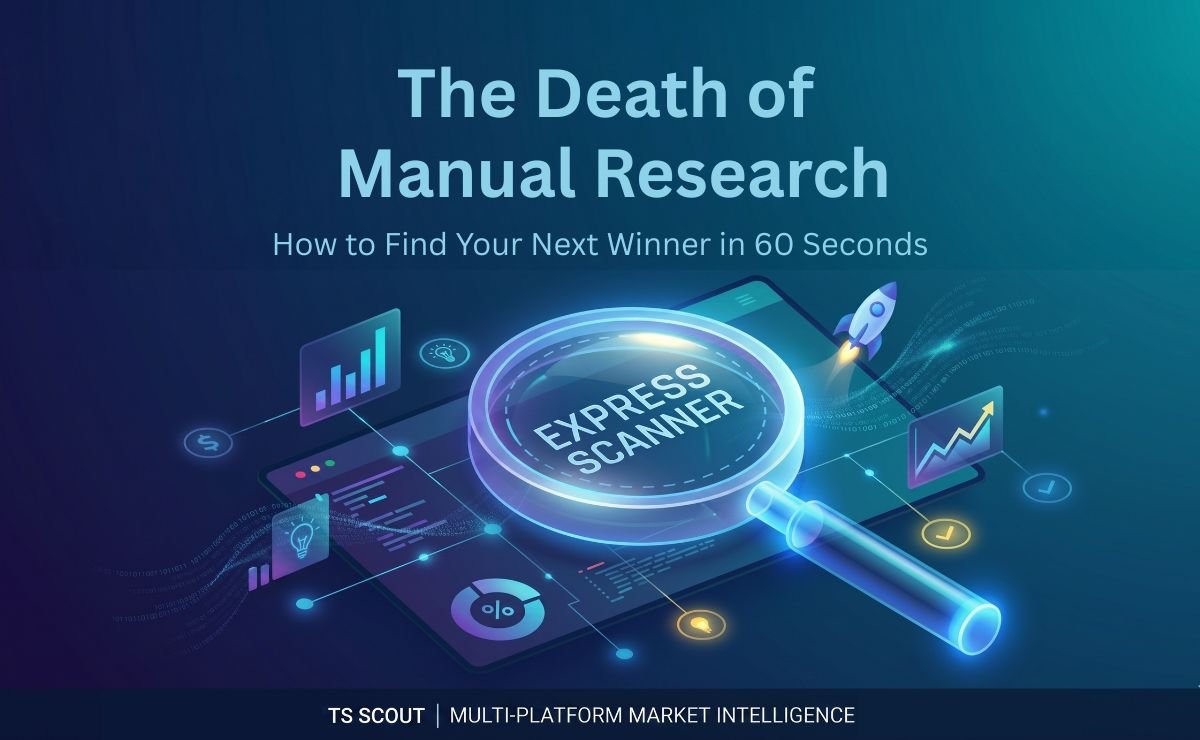
Finding High-Demand Products Without the Headache starts with using the right research tools instead of guesswork. Rather than relying only on generic tools like Google Trends, non-stockholding sellers get far more actionable, AliExpress-specific data using TS Scout's suite built for this exact workflow:
-
Express Scanner scans AliExpress to surface trending and top-performing products, flagging listings with strong, consistent demand rather than short-lived spikes — useful for separating a real opportunity from a fad.
-
Express Finder lets you search AliExpress by product name and narrow results using filters like price, category, and sales performance, so you're working from product-level data instead of scrolling blind.
-
Source Finder goes a level deeper: enter a seller's shop URL and pull a full report on that store's product listings, pricing, ratings, and total units sold, which is how you evaluate a store's real performance before committing to it as a supplier.
This kind of layered research is especially valuable for sellers building around evergreen product categories , items with steady, non-seasonal demand (home organization, pet accessories, basic electronics accessories, and similar categories) that provide a more stable revenue base than trend-chasing. Some non-stockholding sellers also move into high ticket evergreen products, which carry higher price points and thinner competition, but require more careful supplier vetting since return and refund exposure is higher per unit.
How Does AliExpress Reverse Image Search Help You Reverse-Source a Product?
Sometimes the starting point isn't a keyword, it's an image. A seller spots a product on social media, a competitor's store, or a marketplace listing and needs to find the actual AliExpress source. This is where AliExpress Reverse Image Search comes in, and it's built directly into TS Scout's Match Image tool: right-click the image on any site, copy the image URL, paste it into the Match Image search box, and run the search to pull up matching listings and supplier information. This removes the guesswork of trying to describe a product in words and search for it manually, a workflow that rarely surfaces the exact match.
How Do You Evaluate and Vet AliExpress Suppliers?
Supplier quality is the single biggest variable in whether a non-stockholding business succeeds. A few practical steps:
-
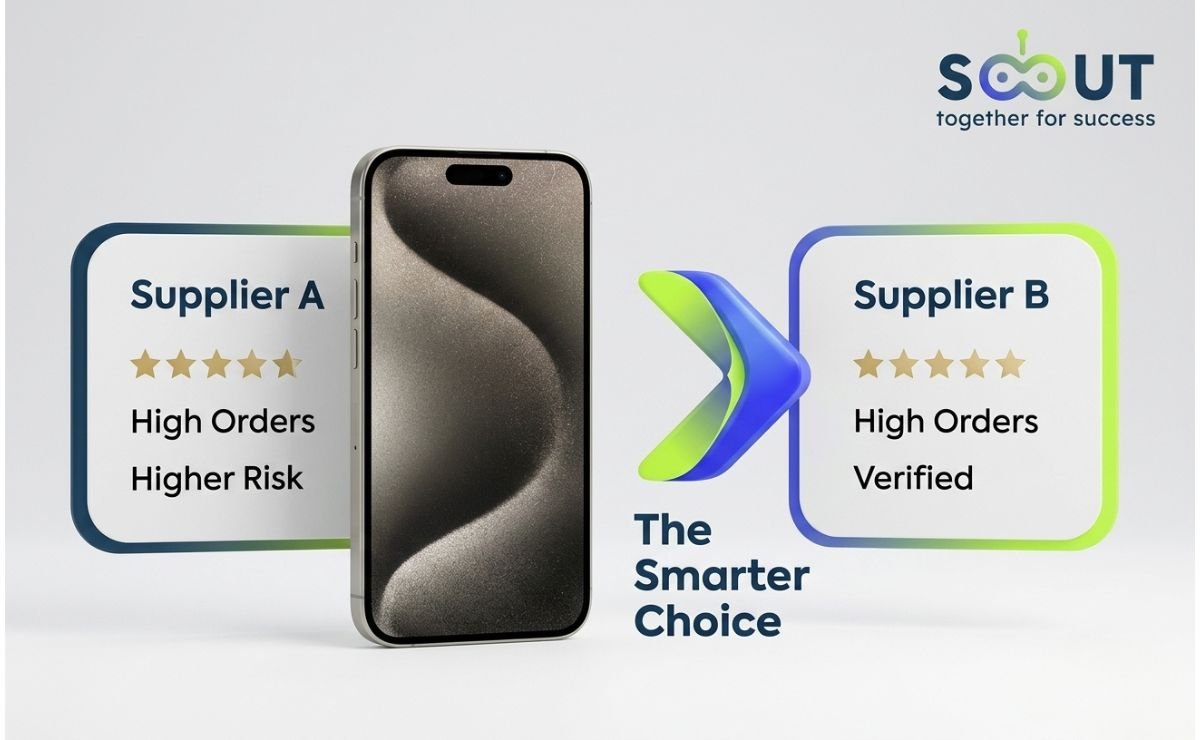
Check ratings and order history, not just star scores. A supplier with a high rating but low total order volume is a different risk profile than one with thousands of completed orders. This is exactly what Source Finder is built to surface, total units sold alongside pricing and ratings, in one report.
-
Message the supplier directly about shipping timelines, packaging, and return policy before committing to them as a regular source.
-
Have a backup supplier for every core product. This isn't optional, it's a direct response to one of the most common problems non-stockholding sellers run into: AliExpress Supplier Unresponsive situations, where a supplier stops replying to messages or orders updates mid-fulfillment. When this happens, don't wait it out, use AliExpress's dispute process through the order details page, and have a second vetted supplier ready so a single unresponsive seller doesn't stall your fulfillment entirely.
How Do You Place and Manage Orders on AliExpress?
Once a product and supplier are confirmed, add the item to your cart, enter the customer's shipping details at checkout, and place the order. From there:
-
Track shipments through the tracking number AliExpress provides.
-
Handle cancellations and refunds through the supplier first, escalating to AliExpress mediation if unresolved.
-
Understand Buyer Protection. According to AliExpress's official Buyer Protection overview, payment is only released to the seller after the buyer confirms satisfactory condition of the purchase, and a full refund is offered if the order isn't received within the stated delivery window, up to a stated maximum. This is the safety net that makes sourcing from unfamiliar suppliers workable — but it depends on you tracking delivery windows closely, since protection claims are time-bound.
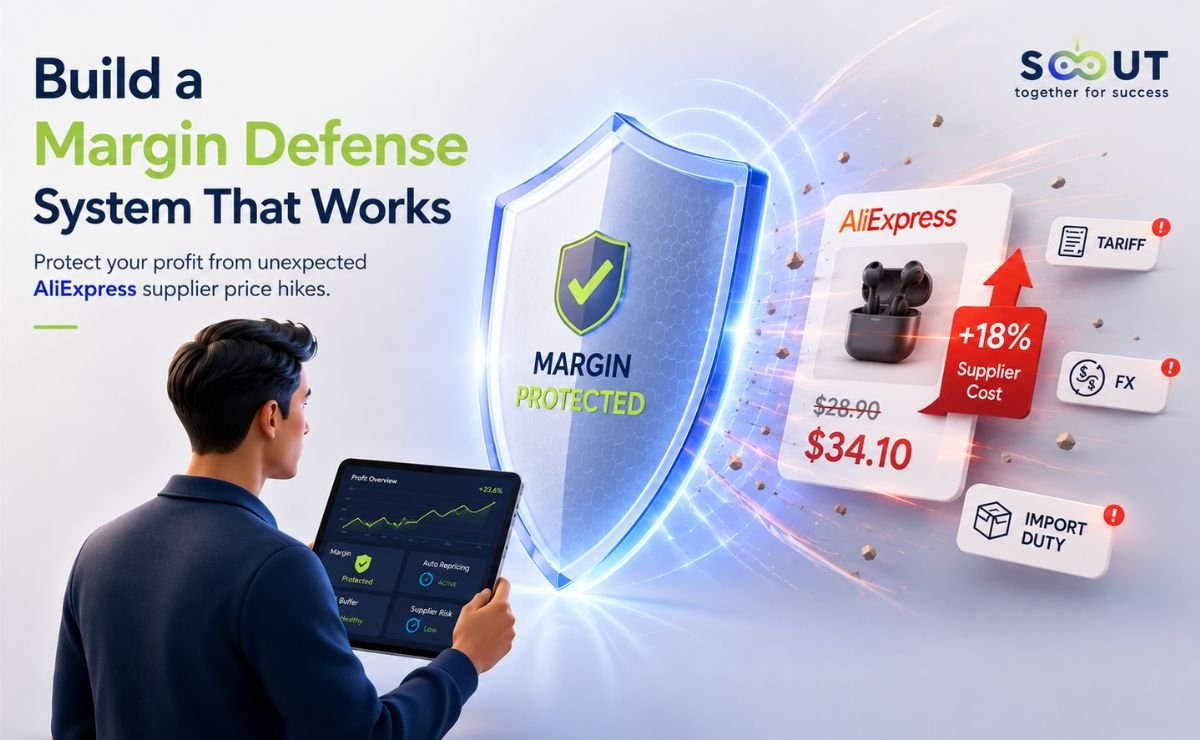
One additional pricing issue to watch for: AliExpress Price Increases can happen between the moment you list a product in your store and the moment a customer actually orders it, since supplier pricing on AliExpress isn't fixed. Non-stockholding sellers should build in a pricing buffer (rather than pricing at the bare minimum margin) and check supplier pricing periodically rather than assuming it's static, this is one of the most common ways thin margins get wiped out on high-order-volume stores.
What's Actually True About AliExpress Shipping and Delivery in 2026?
This is the section most outdated sourcing guides get wrong, so it's worth being precise. ePacket is no longer a standard AliExpress shipping option. It has largely been phased out in favor of AliExpress's own logistics network. Current AliExpress shipping methods and typical delivery windows include:
-
AliExpress Standard Shipping (routed through Cainiao, Alibaba's logistics network): typically 15–30 days to major markets.
-
AliExpress Choice / local-warehouse fulfillment: roughly 5–12 days where available.
-
Premium or express couriers (DHL, FedEx): 3–8 days, at a higher cost.
-
Budget/"Saver" options: can stretch to 45–60 days.
Real-world delivery times are also affected by Chinese national holidays (especially Chinese New Year), customs backlogs, and peak-season carrier capacity, all of which are worth building into customer-facing delivery estimates rather than quoting best-case numbers.
Why Can't Non-Stockholding Sellers Ignore the De Minimis Change?
This is the most significant shift affecting AliExpress sourcing for US-facing sellers in particular, and it's not optional background reading, it directly affects landed cost and pricing.
For years, low-value shipments (under $800) into the United States could enter duty-free under the "de minimis" exemption, which is what made ultra-low-cost, direct-from-China dropshipping economically viable. That's no longer the case. According to the White House's February 2026 executive order, the suspension of duty-free de minimis treatment continues to apply to goods entered for consumption on or after February 24, 2026. This followed the initial suspension for China and Hong Kong-origin goods in May 2025, extended to all countries by August 2025.
U.S. Customs and Border Protection confirms the practical effect: as of the executive order addressing the synthetic opioid supply chain in China, products of China no longer qualify for duty-free treatment under the de minimis administrative exemption. This means every parcel shipped from an AliExpress supplier to a US customer, regardless of order value, is now subject to formal or informal customs entry and duty payment, not just large shipments.
For non-stockholding sellers, this changes the math in three concrete ways:
-
Landed cost, not supplier price, determines your real margin. A $10 item can carry $2–$5+ in combined tariffs and processing fees depending on classification, factor this into pricing before listing, not after a wave of thin-margin orders arrives.
-
Delivery-duty-paid (DDP) arrangements with a supplier or logistics partner, where duty is prepaid so the customer doesn't get a surprise bill at delivery, are increasingly worth negotiating for, since surprise customs charges are a fast way to generate refund requests and disputes.
-
This isn't temporary. The suspension has been extended and, separately, is scheduled for permanent statutory repeal by mid-2027, sellers should plan pricing models around duty-inclusive costs as the new normal, not a short-term disruption.
AliExpress vs Temu: Which Is Better for Sourcing?
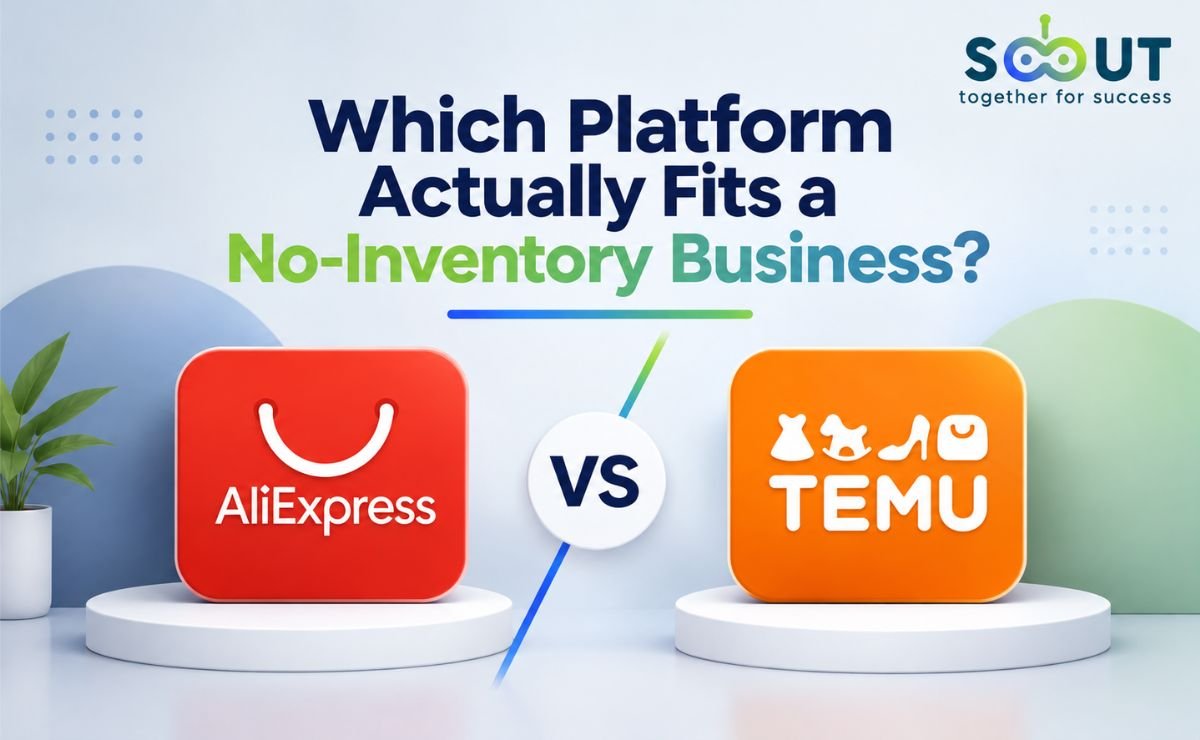
Non-stockholding sellers sometimes ask whether AliExpress vs Temu is even a real comparison for sourcing purposes, and it is, but the platforms serve different roles. AliExpress functions primarily as a B2C marketplace with a long-established seller base, individual seller storefronts, and tools (like the ones covered above) built for repeat sourcing relationships. Temu operates on a more centralized, platform-managed supply model with less direct seller-to-buyer relationship building. For sellers who need to vet individual suppliers, negotiate directly, and build a repeatable sourcing pipeline, AliExpress remains the more workable option, Temu's model is built more for direct-to-consumer retail than for scalable third-party sourcing.
How Do You Handle Customer Service and Scale Your Business?
As order volume grows, prioritize:
-
Fast, templated responses to common inquiries (shipping status, sizing, returns) to keep response times low without burning hours per order.
-
Diversifying your product base using ongoing research through Express Scanner and Express Finder, rather than relying on one or two winning products indefinitely.
-
Automating what can be automated order confirmations, tracking updates, and review requests, so operational overhead doesn't scale linearly with order volume.
Is AliExpress Product Sourcing Still Worth It in 2026?
AliExpress Product Sourcing remains a viable, low-capital way for non-stockholding online sellers to launch and grow, but the playbook that worked in 2020 doesn't fully apply anymore. ePacket is gone, payment options are more regionally restricted than generic guides suggest, and the end of duty-free de minimis treatment has permanently changed how landed cost needs to be calculated.
The sellers who come out ahead aren't the ones sourcing on guesswork, they're the ones pairing accurate, current platform knowledge with structured research at every step: validating demand before listing, vetting suppliers before committing, and catching pricing shifts before they eat into margin. Doing all of that manually, order by order, is exactly what burns out non-stockholding sellers as volume grows.
Ready to source smarter, not harder? Start your $1 trial for 14 days and get full access to every TS Scout tool, Express Scanner, Express Finder, Source Finder, and Match Image, so every AliExpress sourcing decision is backed by real data, not guesswork.
Frequently Asked Questions
-
Is AliExpress Product Sourcing still profitable for non-stockholding sellers in 2026?
Yes, but margins depend heavily on factoring in the end of duty-free de minimis treatment and building a pricing buffer for potential AliExpress Price Increases between listing and order time — not on the bare-minimum margins that worked when shipments to the US entered duty-free.
-
Is ePacket still available on AliExpress?
No. ePacket has largely been phased out and replaced by AliExpress Standard Shipping (via Cainiao), AliExpress Choice, and premium courier options. Guides that still recommend ePacket as a current shipping method are outdated.
-
Can I use PayPal to pay for AliExpress orders?
Only in select regions and only where the individual seller supports it, PayPal availability depends on both your location and the seller's settings, not on AliExpress as a platform-wide policy.
-
What should I do if an AliExpress supplier stops responding?
Don't wait it out. Open a dispute through the order details page if the order is affected, and always keep a second vetted supplier for core products so an AliExpress Supplier Unresponsive situation doesn't stall fulfillment entirely.
-
How do US import duties affect AliExpress sourcing now?
Every shipment from China to the US, regardless of value, is now subject to formal or informal customs entry and duty payment, since duty-free de minimis treatment has been suspended and is scheduled for permanent statutory repeal by mid-2027.
-
How can I find high-demand, evergreen products on AliExpress without guessing?
Tools like Express Scanner and Express Finder surface trending, consistently-selling products using real sales data and filters, while Source Finder lets you evaluate a specific supplier's full store performance before committing, a more reliable approach than manual browsing.
like?


Table of Contents
- Why Do Non-Stockholding Sellers Still Choose AliExpress?
- How Do You Set Up an AliExpress Account for Sourcing?
- How Can You Find High-Demand Products Without the Headache?
- How Does AliExpress Reverse Image Search Help You Reverse-Source a Product?
- How Do You Evaluate and Vet AliExpress Suppliers?
- How Do You Place and Manage Orders on AliExpress?
- What's Actually True About AliExpress Shipping and Delivery in 2026?
- Why Can't Non-Stockholding Sellers Ignore the De Minimis Change?
- AliExpress vs Temu: Which Is Better for Sourcing?
- How Do You Handle Customer Service and Scale Your Business?
- Is AliExpress Product Sourcing Still Worth It in 2026?
- Frequently Asked Questions