

Why Do Some Stock-Free Sellers Build a Successful Dropshipping Business While Others Quit in Month Three?
- 2026-06-10
-
 2
2

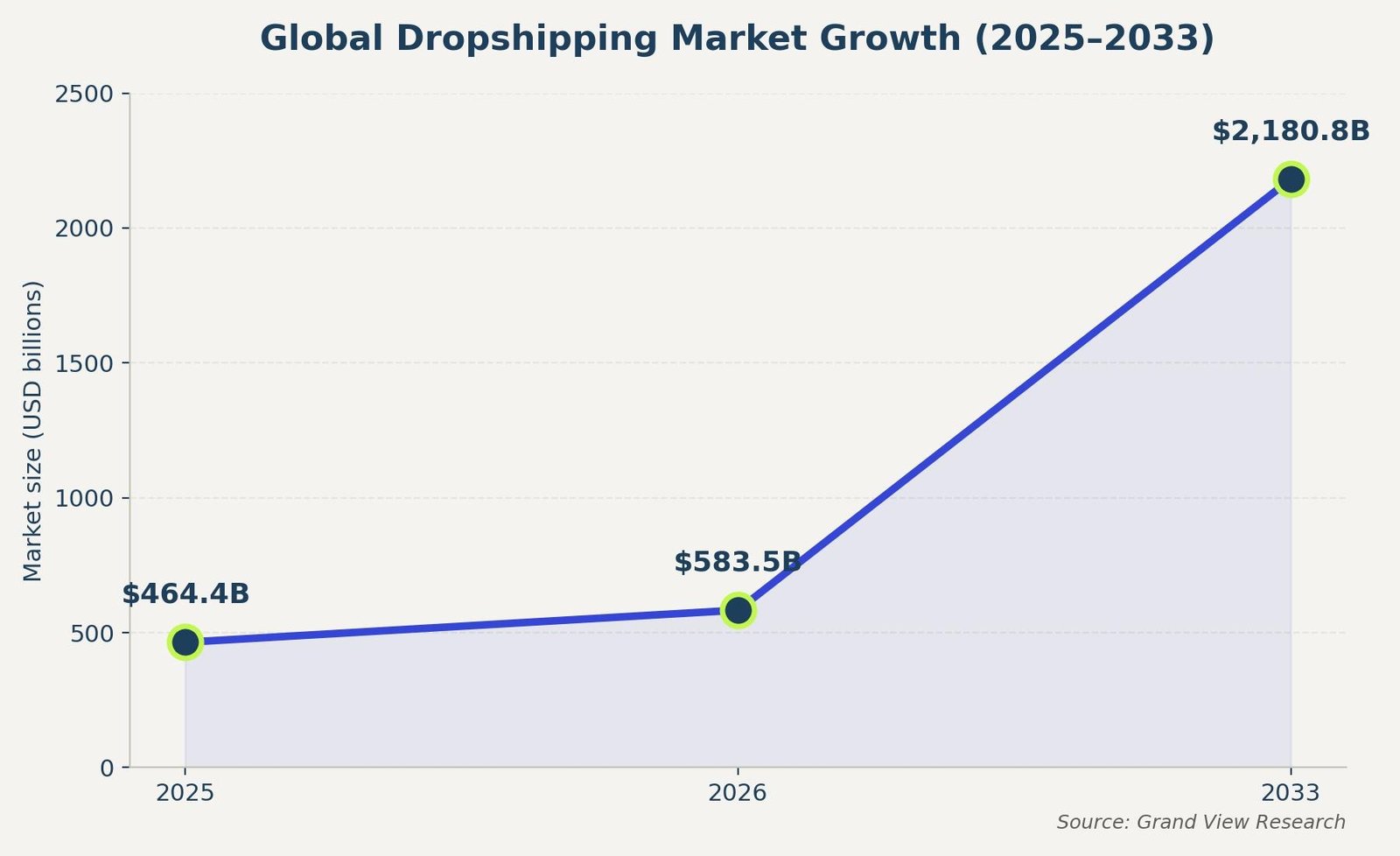
Roughly one in four online retailers now runs on a stock-free model, and the global dropshipping industry is projected to cross $583.5 billion in 2026, growing at a 20.7% CAGR through 2033, according to Grand View Research. Yet most people who try dropshipping quit inside their first ninety days, not because the model stopped working, but because they picked the wrong product, trusted the wrong supplier, or didn't notice a competitor undercutting them until the sales had already dried up.
Building a successful dropshipping business isn't about working harder than everyone else; it's about making a handful of decisions correctly before you spend a single dollar on ads. In this guide, you'll see exactly what separates stock-free sellers who scale past six figures from the ones who quietly disappear, from finding a product with real, provable demand, to vetting a supplier who won't ghost you mid-order, to catching a rival's price drop before it costs you the sale. Every recommendation below is backed by current data, not guesswork. Here's what actually makes a dropshipping store succeed in 2026.
What Is Dropshipping, and Why Are Stock-Free Sellers Betting on It in 2026?
Dropshipping is a fulfillment model where the seller never touches inventory: a customer places an order, the seller forwards it to a supplier, and the supplier ships the product directly to the buyer. The appeal for a stock-free seller is simple, no warehouse, no upfront inventory cost, and the flexibility to test a product idea in days instead of months.
If you're still deciding between this model and holding your own stock, it helps to first understand What Is Ecommerce in 2026? and how dropshipping fits inside that broader picture, or to walk through how to start your own online business? before committing to a specific fulfillment model. What makes dropshipping different in 2026 specifically is access to real-time data, sellers no longer have to guess which products are trending; they can see it.
How Big Is the Dropshipping Market Right Now, and Is There Still Room to Enter?
The short answer: yes, and the data backs it up. The global dropshipping market was valued at $464.4 billion in 2025 and is on track to hit $583.5 billion in 2026, according to Grand View Research. Fashion products currently hold the largest revenue share at 37.4%, while Asia-Pacific leads regionally with a 36% share of the global market.
For sellers targeting Western markets, Ecommerce in the UK remains one of the fastest-growing regional segments, driven by mobile shopping and social commerce. The point isn't that the market is crowded, it's that demand is still expanding faster than supply of good sellers, which is exactly why product selection (covered in section 4) matters more than ever.
What Actually Separates a Successful Dropshipping Business From One That Fails Fast?
Three things, consistently: product-market fit, supplier reliability, and reaction speed. A successful dropshipping business isn't the one with the biggest ad budget, it's the one that spots demand before it peaks, partners with a supplier who ships consistently, and adjusts pricing or messaging the moment a competitor moves. Everything below is built around those three levers.
How Do You Find a Product Worth Selling Without Holding Any Stock?
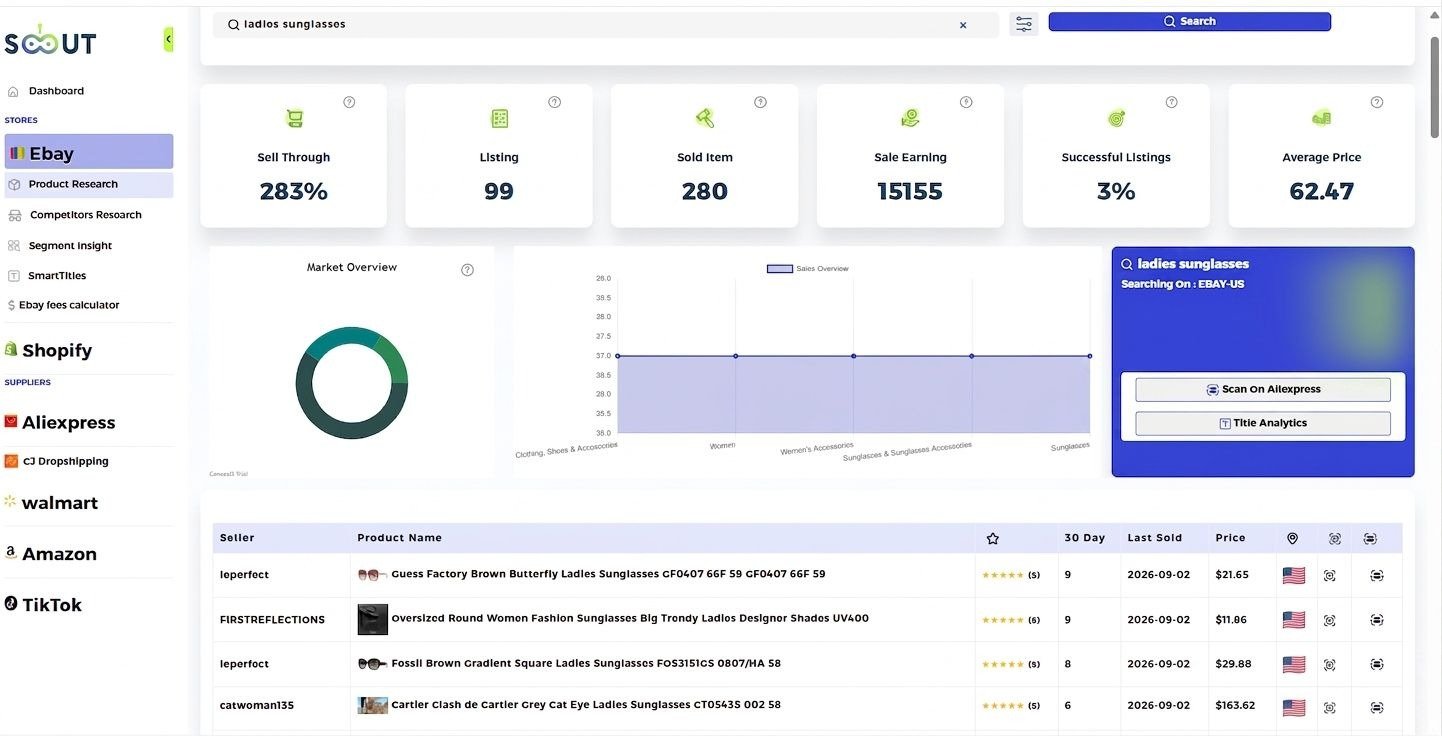
Guessing is the single most common reason stock-free sellers fail. The fix is looking at actual sold-item data before committing to a product. eBay Segment Insight lets you evaluate demand, competition, and growth potential at the category level, so you're not betting on a hunch, you're picking a segment with proven room to grow. Once you've narrowed a segment, eBay Product Research lets you filter listings by price, marketplace, and seller feedback to see listing volume, average price, and total units sold for specific products, which tells you whether a product is a fluke or a real trend. If your store runs on Shopify, Shopify Insight does the same job for that ecosystem, filtering by price range, shipping location, time period, and category to show units sold, average prices, and active listings. For anyone building around Best eCommerce Niches for 2026 or shortlisting from 6 Profitable Niche Products in 2026, this is the step that turns a niche idea into a validated product decision.
|
Approach |
Time to validate a product |
Risk of picking a saturated item |
|
Manual browsing (marketplaces, social media) |
Days to weeks |
High, no sales data behind the guess |
|
Data-based research (eBay Segment Insight, eBay Product Research, Shopify Insight) |
Minutes |
Low, decision backed by units sold and demand trends |
How Do You Confirm a Product Is Trending Before Everyone Else Finds It?
Timing is everything in dropshipping, the same product that's profitable this month can be saturated by next. Express Scanner scans AliExpress to surface products with strong, consistent sales activity, which is how you catch a trend on the way up instead of after it's already been copied by a thousand other stores. Once a candidate shows up, Express Product Research lets you search that product by name and filter by price, category, and sales performance to confirm it's not a short-lived spike before you build a listing around it.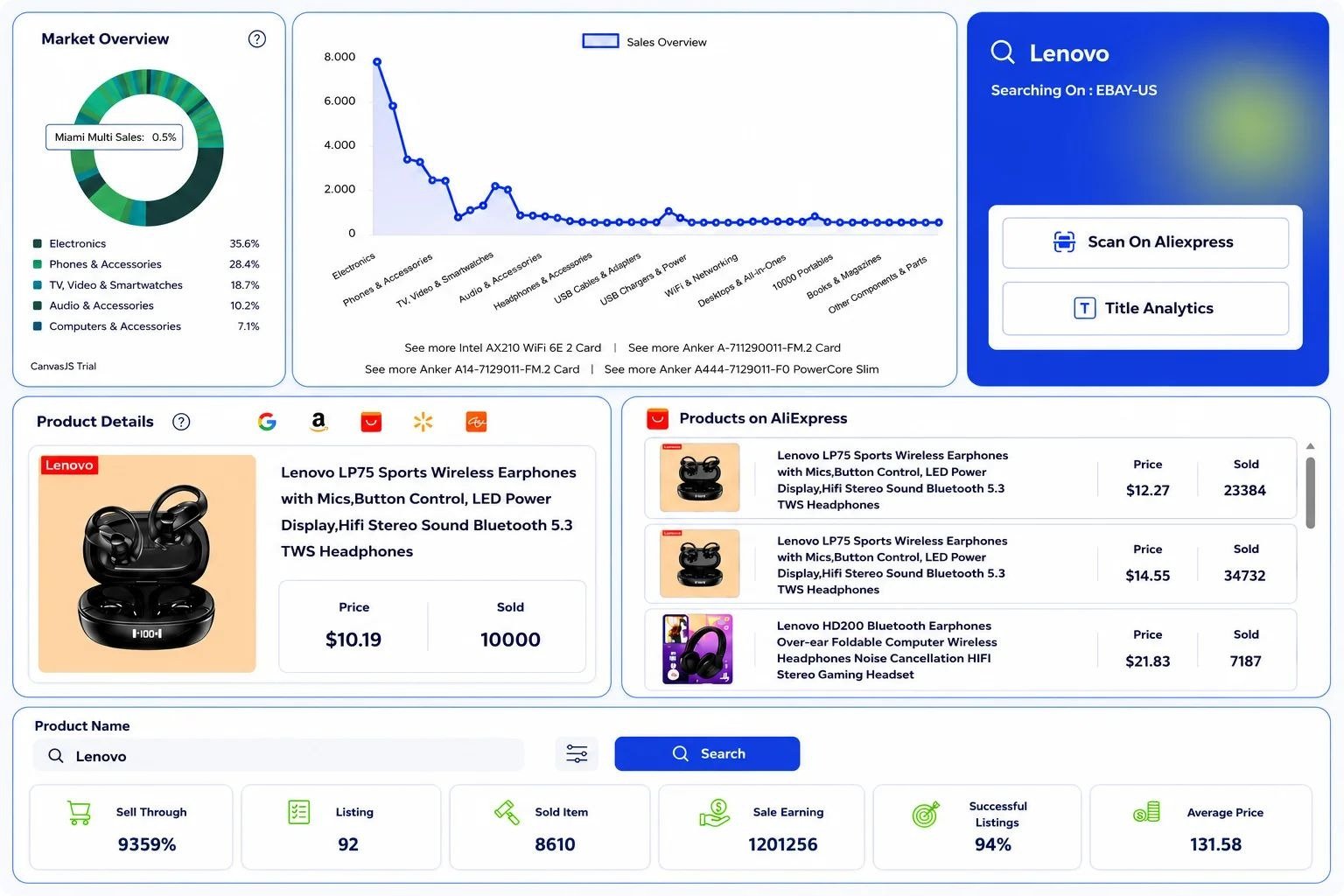
How Do You Find Suppliers You Can Actually Trust in 2026?
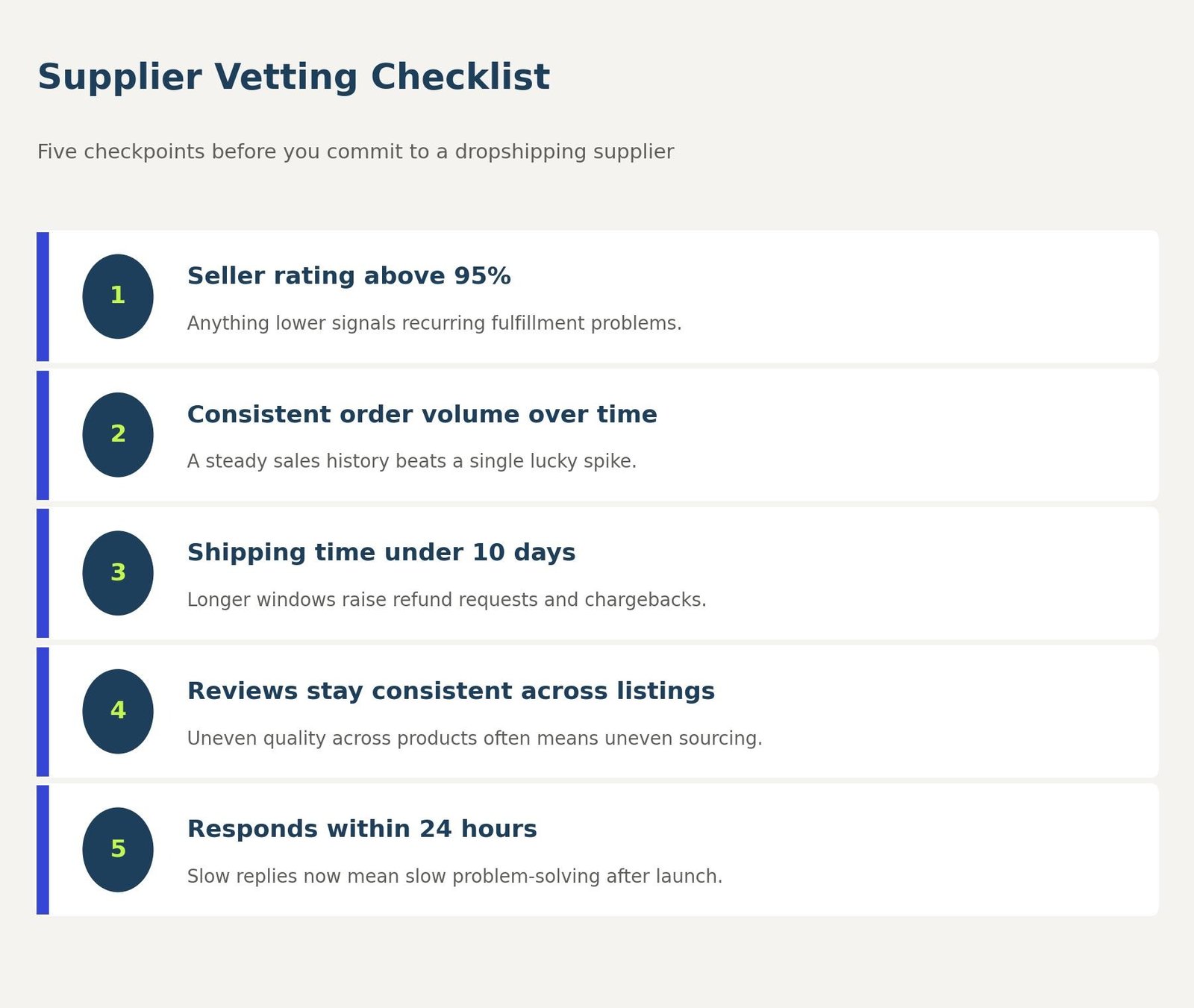
A great product with an unreliable supplier is still a failed order. Before committing, Express Source Finder lets you analyze a supplier's AliExpress shop directly by entering its URL, pulling a full report on product listings, prices, ratings, and total units sold, which tells you whether a seller has a real track record or just a handful of lucky listings. And if you've found a product image anywhere online but don't know who actually supplies it, Image Match finds matching listings and sourcing information just from the picture, so you're not stuck manually searching marketplace by marketplace. Both tools pair well with the steps in How to Find Reliable eCommerce Suppliers in 2026?, especially for sellers still building their first vetting checklist.
What Happens When a Competitor Copies Your Best-Selling Product?
It happens fast, often within days of a product taking off. The sellers who stay profitable are the ones who see it coming. Shopify Competitor Research lets you enter a rival store's URL directly and pull their product data, pricing strategy, and sales performance, so instead of discovering a price drop after your conversion rate already fell, you catch it the same day and adjust. One seller in the home-goods niche used this to notice a competitor had dropped their price by 15% on a shared product, they matched the price within hours and kept their sales volume flat instead of losing a third of their orders that week.
How Do You Build a Store That Converts Before You Spend a Dollar on Ads?
Traffic means nothing if your listings don't convert once someone lands on them. Titles are the first filter, eBay Smart Titles generates optimized product titles using real search volume and keyword data, which directly improves visibility and click-through rate before a buyer even opens the listing. Your choice of platform matters here too: Shopify remains the most common starting point for stock-free sellers because of its app ecosystem and checkout speed, while WooCommerce suits sellers who already run on WordPress and want more control over hosting costs, either way, Shopify Insight and Shopify Competitor Research work directly with your store once it's live. Combine that with clear product photos, honest shipping timelines, and a visible return policy, and pair it with tools from AI Tools for Ecommerce Sellers for description and image work, and you've covered the basics that actually move conversion rate.
What Do the Real Numbers Look Like for a Profitable Dropshipping Store?
|
Metric |
Month 1 |
Month 6 |
|
Products listed |
8 |
22 |
|
Monthly revenue |
$1,400 |
$11,800 |
|
Average profit margin |
19% |
31% |
|
Supplier issues (late/wrong shipments) |
3 |
0 |
The jump in margin and the drop in supplier issues aren't coincidences, they're what happens once product selection and supplier vetting are based on data instead of trial and error.
What Mistakes Quietly Kill Stock-Free Sellers in Their First Year?
-
Relying on a single supplier, one delay and every order is late.
-
Copying a trending product without checking saturation, margins collapse within weeks.
-
Ignoring price changes from competitors, sellers who don't monitor rivals often find out about a price war after losing the sale, not before.
-
Skipping supplier ratings entirely, a cheap product from an unrated seller costs far more in refunds than it saves. Plenty of sellers document these exact failures firsthand on ecommerce on reddit, and the pattern is nearly always the same.
Ready to Find Your Next Winning Product Before Anyone Else Does?
Every step above, validating demand, confirming a trend, vetting a supplier, watching competitors,takes minutes with the right data instead of days of manual digging. Try TS Scout for $1 for 14 days, full access, no restrictions.
FAQs
-
Is dropshipping still profitable in 2026?
Yes, the global market is projected at $583.5 billion in 2026 and growing at over 20% annually, per Grand View Research. Profitability now depends on product selection and supplier reliability more than the model itself.
-
Do I need a large budget to start a stock-free store?
No. Since there's no inventory to purchase upfront, most sellers start with a few hundred dollars covering platform fees and initial ad testing.
-
How do I know if a product is trending or already saturated?
Check real sales data, units sold, listing volume, and how many sellers are already carrying it, rather than relying on how often you see it on social media.
-
Can I use more than one supplier for the same product?
Yes, and it's recommended. Running two vetted suppliers protects you from delays if one runs out of stock or slows down shipping.
-
What's the biggest difference between a successful dropshipping business and one that fails?
Speed of reaction, successful sellers catch demand shifts, supplier issues, and competitor moves early enough to adjust before they lose sales.
like?


Table of Contents
- What Is Dropshipping, and Why Are Stock-Free Sellers Betting on It in 2026?
- How Big Is the Dropshipping Market Right Now, and Is There Still Room to Enter?
- What Actually Separates a Successful Dropshipping Business From One That Fails Fast?
- How Do You Find a Product Worth Selling Without Holding Any Stock?
- How Do You Confirm a Product Is Trending Before Everyone Else Finds It?
- How Do You Find Suppliers You Can Actually Trust in 2026?
- What Happens When a Competitor Copies Your Best-Selling Product?
- How Do You Build a Store That Converts Before You Spend a Dollar on Ads?
- What Do the Real Numbers Look Like for a Profitable Dropshipping Store?
- What Mistakes Quietly Kill Stock-Free Sellers in Their First Year?
- Ready to Find Your Next Winning Product Before Anyone Else Does?
- FAQs


